

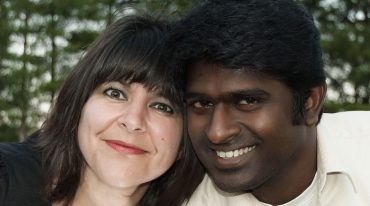


Nicole Gilbert has lived in Portugal, Costa Rica, the U.S.A. and Italy. While there have been so many struggles in being a culturally mobile child there has been a lot of rewarding knowledge she has picked up along the way. In a recent interview, she describeded some of the most fascinating experiences and facts she has learned about all these different cultures.
Here is a list of what she learned being a part of different cultures outside of United States:

Costa Rica
Crime rates of San Jose, Costa Rica
San Jose is the capital of Costa Rica. Gilbert explains that her parents chose to live there because it is notably one of the safest cities in all of Central America. The crimes that do occur are all minor offense crimes like pickpocketing and other theft, according to Costa Rica 2020 Crime Report.
San Jose is a workplace
While San Jose is a larger area, there aren’t nearly as many people residing as there are workers. Gilbert tells us that many of her parents’ coworkers all lived outside of San Jose. The MasterCard Global Destinations Cities Index 2012 reported that San Jose is the sixth most important destination city in Latin America with work travels and other traffic. The same report also concluded that as of 2012, San Jose marks 15th among the world’s top 20 fastest-growing destination cities by visitor cross-border spending.
Social nicknames and successors
“I would be called a ‘Tica’ while my boyfriend would be ‘Tico’ in Costa Rica. Tica refers to girls and Ticos are boys. Uniquely, we call tourists ‘gringas’ if they’re girls and ‘gringos’ if they are males.”
Gilbert also was proud to report that her hometown of San Jose, Costa Rica is known for its higher literacy rate and life expectancy. The UNESCO Institute for Statistics reported that in 2020 the literacy rate is approximately 94.8% for people ages 15 and up. According to the World Health Organization (WHO), the life expectancy of this region is approximately 80 years old.

Health care is free
“The weird thing about America is you have to pay to be healthy. Back home, health care was free since I was a permanent resident and citizen. But if you’re in any life-threatening event it makes you hundreds of dollars poorer,” Gilbert explained.
Italy
Football fans are like Typhus
“Football fans are compared to disease carriers,” Gilbert says. It is not negative, it’s just like how the love of sports spreads like Typhus did historically. So, to a U.S. citizen, it makes sense since everyone here also loves their sports teams.
Police drive luxuriously
Gilbert said many police cars in Italy are Lamborghinis. Not all of them have Lamborghinis but several do. It makes sense for a police officer to drive the fastest car ever but it was very unusual to see, according to Gilbert.

The kind people
Gilbert learned from her Italian friends that many of them were taught English, French, and/or German in their studies. According to UNESCO, the adult literacy rate is 99.1% in Italy. People are very generous with gifts and donations, according to Gilbert. Unlike her hometown, she said, “people in Italy are very punctual with their time, and lateness is seen as sloppy or gross behavior.” However, the gift of giving never ended in her experiences.
Portugal
Art and religion
“I wasn’t raised too religiously, but in Portugal, there is a deep relationship with the Catholic Church and their artistic roots,” Gilbert entails. Doesn’t matter where you are in Portugal, there seems to always be some form of art collection or art appreciation. Communities will designate areas and locations dedicated to art. There are many festivities that occur based on religion. Celebrations of Mother Mary and Fat Sunday are just a few of them.
Café shops are huge
Gilbert explained that cafés in Portugal are open from early mornings to late at night. People will go there for a multitude of reasons, but they are a hot spot for all members of the communities. Coffee is how bonds were formed.