


For Emma Victoria Johnson, medical tourism for cancer treatment was not a luxury; it was survival. It was the choice of a Third Culture Adult (TCA) who had spent her life learning that the answer to a difficult question might live on the other side of the world. Her cultural fluency helped her cross that border, but her experience also suggests that a person does not need a globally mobile identity to look beyond familiar borders when seeking another medical opinion.
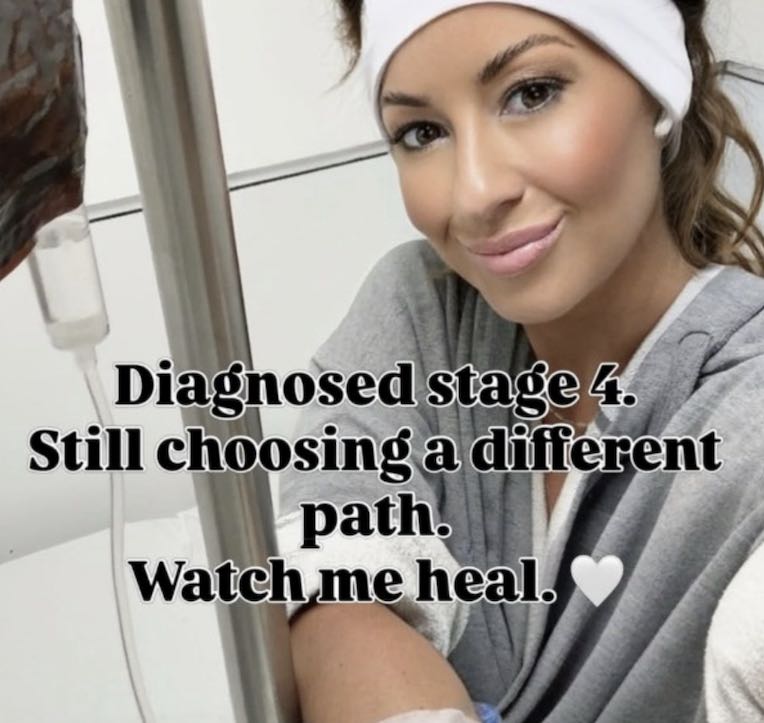
On paper, Johnson was the picture of health: young, fit and active in Australia, with no reason to believe anything was wrong with her body. Then, a gym injury led to an examination that uncovered a small lump. Within months, Johnson had received a stage 4 cancer diagnosis and, according to her account, an Australian oncologist’s prognosis of 18 months to live.
The urgency behind her decision echoes a warning for us all from Dr. Francisco Contreras, M.D., the surgical oncologist Johnson credits with saving her life.
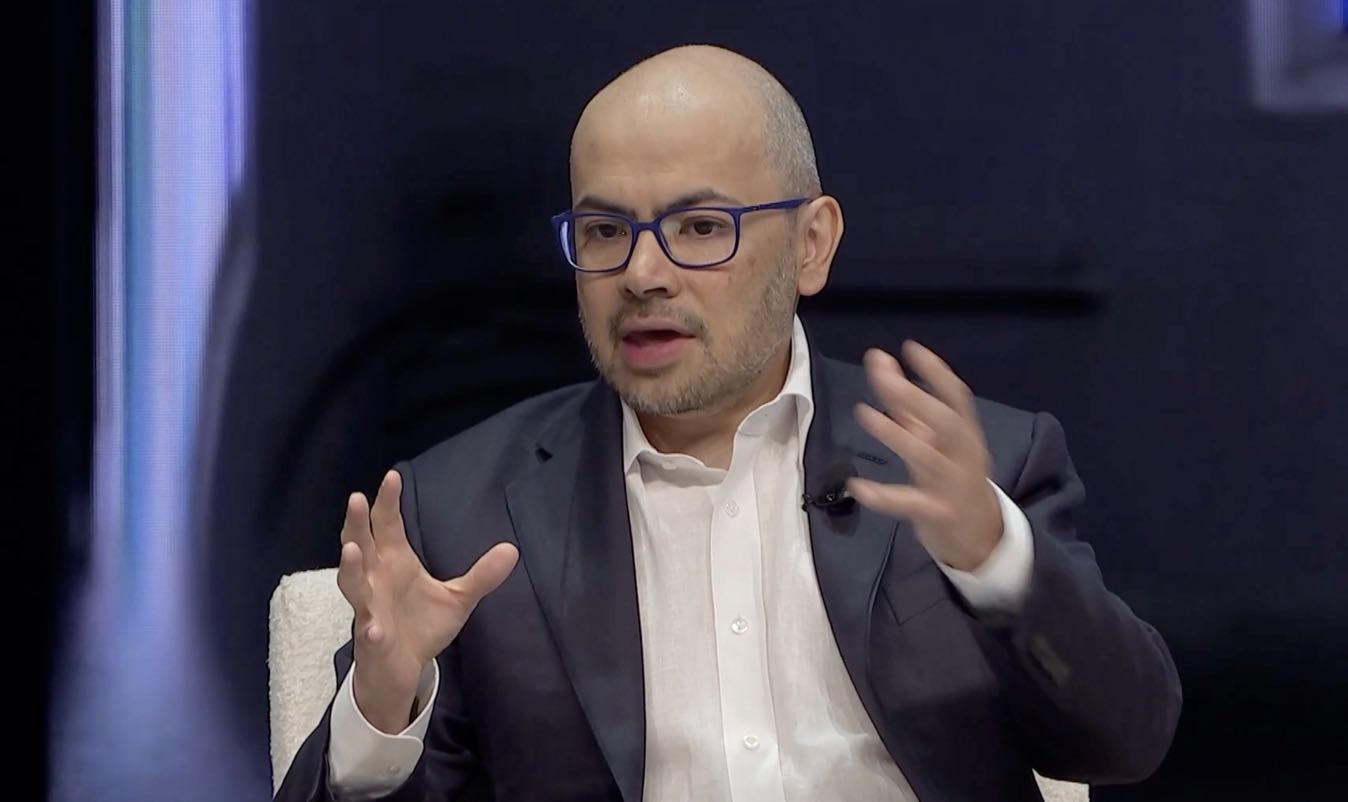
“There is no question that cancer is on the rise and in a very scary way, because more and more younger people are developing cancer with very aggressive cancers that we did not used to see 15 years ago,” Contreras says.
He tells the ‘New Normal Big Life’ podcast: “Right now, in the hospital, more than half of our patients are 40 years or younger, whereas before it used to be 60 years or older.”
Johnson refused to accept her first oncologist’s prognosis as her only possible future. Instead, she flew from Australia to Oasis of Hope Hospital in Tijuana, Mexico, where she placed her care in the hands of Contreras and his international medical team.
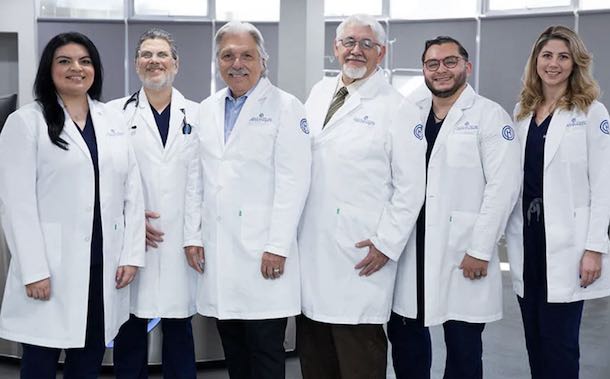
Contreras earned his medical degree in Mexico, completed surgical oncology training in Vienna Austria, and studied pathology at Harvard University in the U.S.A. before leading a hospital in Mexico that treats patients from more than 60 countries to date. He also understands the TCA and Cross-Cultural Kid (CCK) experiences.
Together, a patient and an oncologist who each understood what it meant to move in-between cultures began building an integrative medicine path toward healing that Johnson was unable to find at home.
Who is a third culture adult?
A Third Culture Adult (TCA) is someone who, after age 18, becomes immersed in global locations and develops an identity influenced by more than one culture without belonging fully to any single cultural identity.
Johnson fits that description. Born and raised in England, she later moved to Australia and built an adult life there. When cancer threatened that life, she traveled to Mexico for treatment.
Johnson acknowledges her experience moving between countries may have made the decision to travel for medical care somewhat easier. She understood, however, why someone who had never left their passport country might find the idea overwhelming.
“I have moved countries,” she says. “I guess it might have made it a little bit easier for me to jump on the plane and go.”
That cultural adaptability became more than a biographical detail. It became a survival skill. Johnson had already learned how to enter unfamiliar environments, communicate across differences and create belonging far from the place she once called home.
After receiving treatment at Oasis of Hope, she now counts friends across Nigeria, Sweden, England and Australia. Her international community expanded further during treatment. Which is a strategic model of friendship and connection baked into the DNA of Oasis of Hope, according to Contreras.
Emma’s oncologist shares that global connection. Contreras, a TCA and CCK, now leads Oasis of Hope in Tijuana. During the podcast conversation, he explains how Mexican cultural warmth influences the patient experience at the hospital.
“We do not have to do a lot of training for people to be nice and to be warm, because that is part of our culture,” he says.
The parallel is significant. Two people shaped by multiple cultures met across a medical diagnosis that might otherwise have left Johnson feeling isolated within her passport healthcare system.
Yet Johnson’s experience does not suggest that a patient must already be a global traveler to consider seeking care abroad. The information, logistical support and a welcoming cross-cultural environment offered at Oasis of Hope Cancer Center can make an unfamiliar option feel possible, even for someone who has never left their passport country.
Medical tourism: Seeking cancer care abroad
Johnson’s decision to pursue ‘medical tourism’ grew out of a diagnosis that left her little emotional or medical room to wait.
In December 2024, she did not feel sick or notice any obvious warning signs. An examination after an injury uncovered a lump approximately the size of a pea.
Johnson said it took about seven weeks to receive an evaluation of the lump in Australia. In January 2025, a mammogram and ultrasound revealed cancer that initially appeared to be Stage 1 or Stage 2. By February, following biopsies and additional testing, doctors found that the cancer had reached her lymph nodes and liver. She was diagnosed with Stage 4 disease.
By March, the lump that had been pea-sized in December measured 9.5 centimeters, according to Johnson’s account. Contreras characterized the malignancy as unusually aggressive and acknowledged that its rapid growth was not typical of most breast cancers.
Johnson said her Australian medical team offered two oral chemotherapy medications intended to “hold the cancer in place temporarily.” According to her account, she was told she could live approximately 18 months while taking the meds and might die within three months without them.
However, Emma refused to believe that prognosis represented her fixed destiny.

“I am not ready to die,” she recalls telling the oncologist. “I am not willing to die.”
Johnson began searching for another route. A friend recommended Oasis of Hope, and she arranged a video consultation with the hospital. Within 14 days, she was traveling to Mexico.
“I was scared at the airport, and I was scared on the plane, but I tell you what, it was the best thing I ever did,” Johnson says. “I am here today because of that leap of faith.”
For Johnson, crossing an international border for treatment required courage, but it also drew upon abilities she had developed throughout her globally mobile life. The unfamiliar did not automatically mean impossible.
What to expect: Cancer treatment at Oasis of Hope Hospital
For patients who have never traveled internationally, however, the first step does not require boarding an airplane. Oasis of Hope currently offers a complimentary 45-minute Zoom consultation with an experienced patient coordinator. During that conversation, the coordinator reviews the prospective patient’s health situation, answers questions and explains how the hospital’s approach might apply to their unique needs. Patients are asked to submit medical records so the hospital’s physicians can prepare an analysis and a personalized treatment recommendation.
Although Johnson traveled to another country, she did not have to navigate every part of the journey alone. Oasis of Hope says its multilingual team provides guidance from medical-record review through travel planning and follow-up care. The hospital also assists family members or companions traveling with patients.
Oasis of Hope is in Playas de Tijuana, south of San Diego, Calif., U.S.A. The hospital states it provides private ground transportation at no additional cost from San Diego International Airport, including assistance crossing the United States-Mexico border through an expedited medical lane. Its admissions team also assists international patients with travel planning and medical-travel documentation when needed.
For someone crossing an international border for the first time, that personalized support can make an unfamiliar medical journey feel more manageable.
A cancer survivor story: Refusing the 18-month prognosis
Johnson now introduces herself through the story she once feared she might never live to tell.
“I am a stage four cancer survivor,” she says. “I am a patient of Dr. Contreras. I am almost cancer free. I have been on this journey for just over a year now. No chemo, no radiation, no surgery. And I am now (a patient) ambassador for Oasis of Hope.”
At the time of the interview, Johnson describes herself as almost cancer-free rather than in complete remission. Contreras confirms that she continued to have tumor activity, although he says her tumors were decreasing and her response was “very, very encouraging.” Her experience remains an individual patient story rather than evidence that the same treatment decisions will produce the same results for another person.
The TCA connection at Oasis of Hope Cancer Center
What Johnson found in Mexico was not the gentle wellness retreat she had imagined.
She arrived envisioning prayers in the forest, green juices and quiet walks through the grass. Instead, she encountered intravenous therapies, intensive treatments, cancer vaccines and a highly structured daily routine that included health education sessions and cooking classes to ensure that she could continue healing at home.
The first days were more mentally demanding than she had expected. By the seventh day of treatments, however, Johnson says she felt “superhuman.”
She also found a community: Patients from more than 60 countries shared treatment spaces, meals, stories and encouragement. Johnson describes the hospital as a “miracle safe haven” where patients and staff became like family.

Those relationships continued after patients returned home. Johnson created a WhatsApp group after each visit, adding the people she met during treatment. She says many of the patients became 1,000 new friends, communicating with her daily, encouraging one another and discussing experiences they did not always feel comfortable sharing with family members.
“We have all become like family,” she says. “It is beautiful, and it is because we all share the same journey.”
For globally mobile people, home is not always a single geographic location. It can be created through relationships, shared experiences and the feeling of being understood. Johnson found that sense of belonging in Tijuana, Mexico.
For a patient who has never traveled internationally, the community also offers another kind of reassurance: A person does not need to arrive already knowing how to navigate a new culture. The hospital environment, staff and fellow patients can help make an unfamiliar place feel less foreign.
Johnson’s cancer survivor story carries an insistent message: A stage 4 diagnosis did not erase her agency. Although no treatment outcome can be guaranteed, Johnson believes patients can continue asking questions, seeking qualified medical opinions and participating in decisions about their care.
What Causes Cancer? Concerns about younger patients
Oncologist Contreras expresses concern about what he describes as increasing numbers of younger patients arriving at Oasis of Hope with aggressive cancers.
During the interview, he discusses several possible contributors, including environmental contamination, food preservatives, a lack of movement, and chemicals in some clothing materials that may disrupt hormones. He also addresses pathogens, inflammation, intestinal permeability and immune function.
Contreras additionally describes an association he had observed between the COVID-19 period and aggressive tumor development in some of his patients. His comments represent his clinical observations and interpretation rather than proof of causation.
Similarly, Johnson says she believes repeated biopsies and testing contributed to her tumor’s rapid growth. Contreras did not confirm that interpretation. Instead, he describes her case as unusual because the cancer was exceptionally aggressive and grew rapidly within a short period.
We have all become like family.
Cancer is not a single disease with a single cause. Its development and progression can involve complex interactions among genetics, age, environmental exposures, infections, hormones, lifestyle choices and other biological factors.
Cancer prevention: The lifestyle factors that matter
The most actionable teaching in the interview was Contreras’ emphasis on lifestyle as a significant component of reducing the risk of cancer and other chronic diseases.
He offers two specific recommendations: eating five portions of vegetables and fruits each day and completing approximately four hours of physical activity per week. He defined a portion as roughly the amount that fits inside a measuring cup and suggested a brisk, 30-minute daily walk as an accessible form of movement at any age. Other forms of movement can be adopted for people with disabilities.
Contreras says studies have associated these behaviors with significant reductions in cancer risk. The degree of benefit varies by cancer type, individual risk factors and the research being examined, so such figures should not be taken as guarantees for any individual.
Emotional well-being was also central to the Oasis of Hope Cancer Center’s philosophy. Contreras says depression, anger and resentment can affect the immune system, while hope and positive thinking may help patients cope with illness and remain engaged in their care. These skills are taught during treatment.
Johnson embodied that attitude throughout her treatment, but she did not pretend to be fearless. She acknowledges experiencing moments of loneliness, fear and emotional exhaustion. Her positivity was not the absence of difficult emotions. It was the practice of finding her way back from them.
The Oasis of Hope treatment philosophy rests on two principles: “first, do no harm”; second, “love the patient as you would love yourself”.
Contreras says he would not give a patient a treatment he would not take himself or offer to his wife or daughter. He also describes patients as members of the health care team whose knowledge of their bodies and personal beliefs should be considered during medical decision-making.
“I always see my patient as a team member,” Contreras says. “I have experience, but the patient knows much better about their body and how they think than I.”
Hope remains central to that partnership.
At Oasis of Hope, Contreras says the medical team attempts to create an environment in which patients are treated with dignity, given information for treatment decision-making and encouraged to believe their futures are not limited to a prognosis.
Hope is not a guarantee of remission, and positive thinking should never be framed as a substitute for appropriate medical care. It can, however, help a patient continue asking questions, believing that healing is possible, and evaluating options and moving forward during profound uncertainty.
Johnson’s journey is more than a cancer survival story. It demonstrates how cultural identity, global adaptability and the willingness to look beyond the familiar can influence the choices a person makes during a health crisis.
Her identity as a Third Culture Adult helped prepare her to cross borders when she believed her survival depended upon it: England shaped her beginnings. Australia became her home. Mexico became the place where she found another medical path and an international community of patients who understood what she was experiencing.
I always see my patient as a team member.
Her story also shows that a person does not need a lifetime of international travel to take the first step. Sometimes, that step begins at home, through a conversation, a review of medical records and the pursuit of another qualified opinion.
Her message to anyone facing a similar diagnosis is urgent and simple: “Cancer waits for nobody, so do not wait.”

Exploring Oasis of Hope Cancer Center
Prospective patients can begin from home by requesting a complimentary 45-minute Zoom consultation with an Oasis of Hope patient coordinator. The hospital asks patients to submit recent medical records and complete a medical questionnaire so its physicians can review the case and prepare a personalized treatment recommendation.
According to Oasis of Hope, its patient services team provides a transparent estimate of treatment costs, information about payment options and guidance concerning possible insurance reimbursement after reviewing a prospective patient’s circumstances. The hospital also helps patients prepare for the stay, including travel arrangements, recommended pretreatment laboratory work and support for a family member or companion. A consultation does not guarantee that an individual will be eligible for treatment or experience a particular outcome. Prospective patients should evaluate the hospital’s recommendation carefully, ask questions about the evidence, benefits, risks and costs associated with each proposed therapy.
A person does not have to commit to international treatment to begin asking the Oasis of Hope team whether another option may be available. The full conversation with more tips on cancer prevention, cancer diagnosis, and a tour of the facility and its integrative cancer treatment approach is available on ‘New Normal Big Life,’ streaming free in audio and video through Apple Podcasts, Spotify, and YouTube. The episode was published on August 4, 2026.