
It’s 1995, and 29-year-old John Ahern has spent the past month burning down his life.
He’s quit his job, given up his room in a shared house and sold his car to fund a journey across Africa with a former colleague he barely knows.
His girlfriend has moved to London, leaving him heartbroken, and the corporate career he’s worked so hard to build suddenly feels like a future he no longer wants.
But almost immediately after arriving at a backpackers’ hostel in Johannesburg, Ahern is already questioning his decision as he watches his traveling companion, Tim, casually hang his wet underwear over Ahern’s bed.
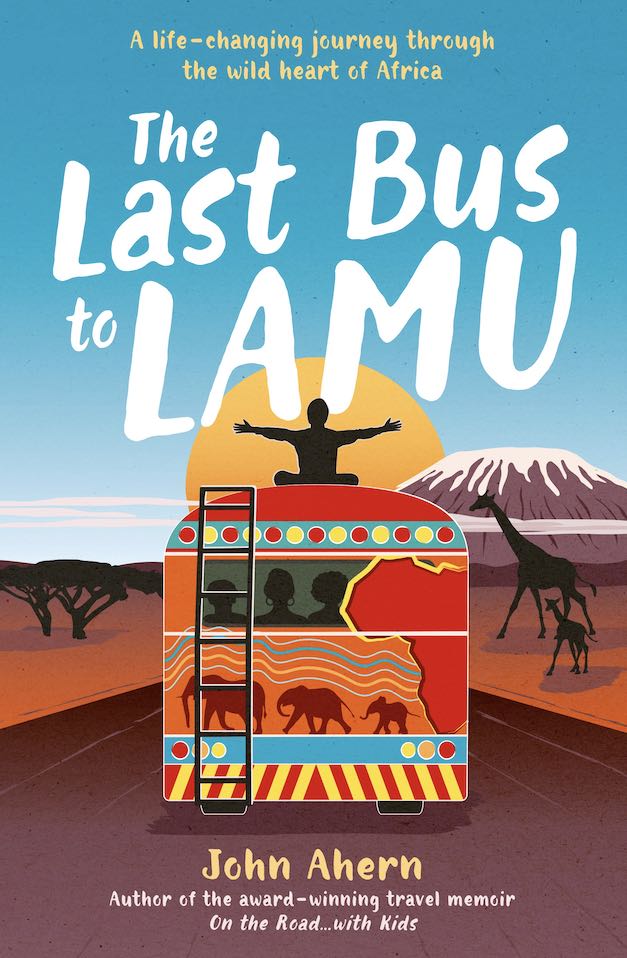
“Forty-five seconds after rendezvousing with Tim in South Africa, I began to wonder how I could possibly achieve a grand personal renewal in the company of a bloke who didn’t know how to use a clothesline,” Ahern writes in his new memoir “The Last Bus To Lamu: A Life-Changing Journey Through the Wild Heart of Africa.”
This was travel before smartphones, social media and the expectation that you could be contacted anywhere in the world.
“Wi-Fi didn’t exist. Google was three years away. A tablet was an aspirin and, if someone had offered to share their socials with me, I would have backed away for fear of catching herpes,” Ahern, who was born and raised in Australia, writes.
‘THE LAST GLORIOUS ESCAPE’
Looking back, he describes that era as “the last glorious escape – the last great frontier of travel.”
Armed with little more than a backpack, a guidebook and a shoestring budget, Ahern and Tim set off across Africa, with only a vague idea of where the journey will take them.
And the pair has arrived in Africa at a remarkable moment in history.
I began to wonder how I could possibly achieve a grand personal renewal in the company of a bloke who didn’t know how to use a clothesline.
It’s just over a year since Nelson Mandela became South Africa’s first Black president, and the country is emerging from decades of apartheid. But as Ahern discovers in Johannesburg and Soweto, the divisions of the past are still strong.
“With few exceptions, the only colors that were mixing were in the drinks,” he writes of his first night exploring Johannesburg.
In Soweto, Ahern meets Sihle, a mother whose hopes for her daughters in a post-apartheid South Africa leave an unexpected impression on him. Having arrived in Africa desperate to escape his own heartbreak, he finds himself feeling something he hasn’t felt in months: hope.
As Ahern and Tim venture further across Africa, the journey takes a series of increasingly dangerous and often absurd turns.
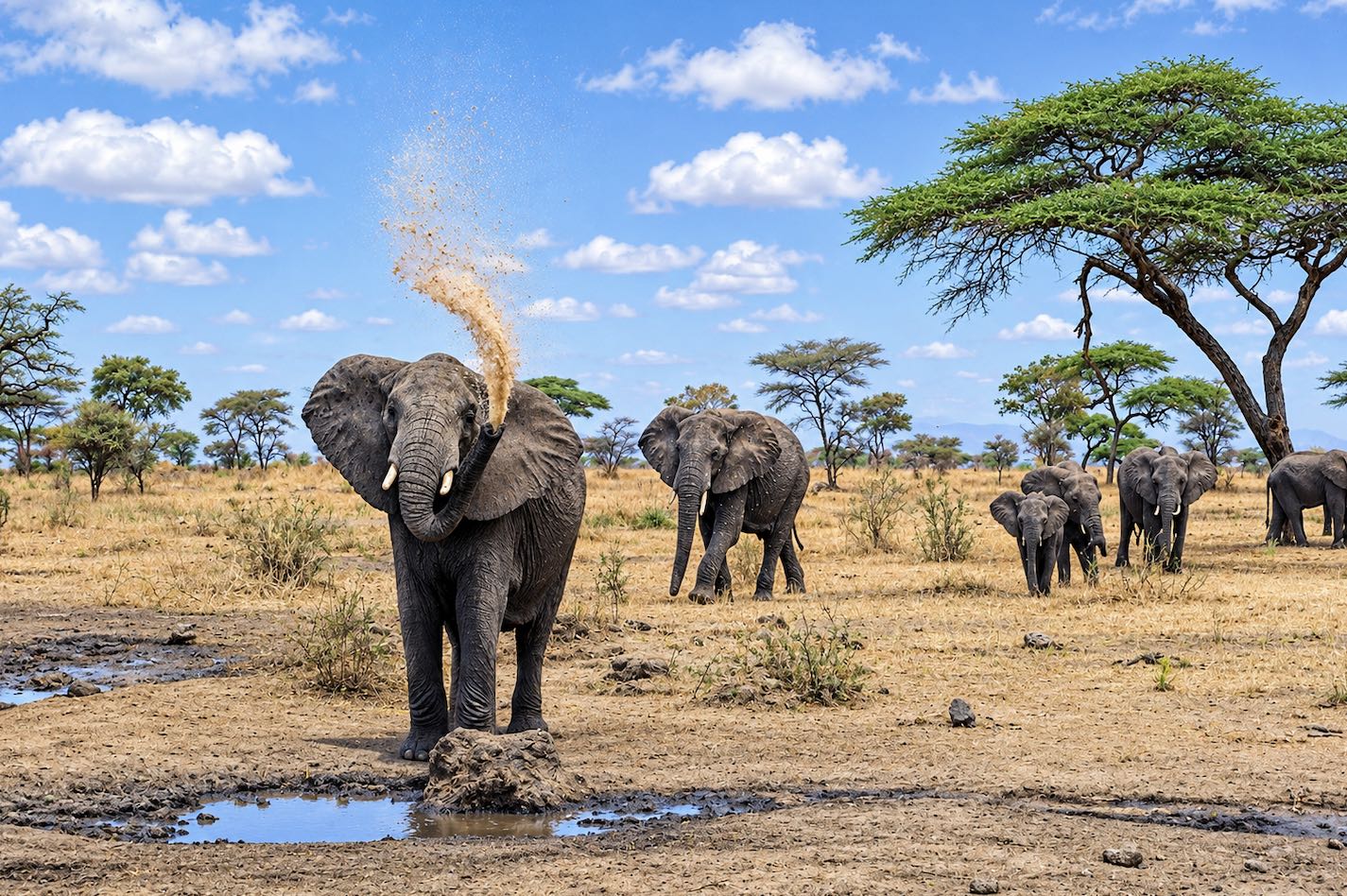
In Zimbabwe, Ahern and Tim find themselves dangerously close to a herd of agitated elephants. When a truck appears, they think salvation has arrived. Instead, armed men rise from the back and point their rifles at them.
“It seemed we’d just found an even dumber way to die,” Ahern writes.
Then, just as suddenly, the men burst into laughter and offer them a lift to safety.
In Mozambique, Ahern and Tim are crammed into the back of a battered truck with more than 50 passengers when they come to a halt on a badly damaged road. Four men climb down and begin cautiously feeling their way across the ground. Ahern assumes they’re looking for a way around the obstacle.
Then Tim tells him what they’re actually doing.
“Johnny, those guys aren’t feeling for soft ground” he gasps. “They’re checking for landmines.”
DEALING WITH GRIEF
But amid the danger, chaos and frequently hilarious misadventures, Ahern begins to confront something he’s spent years trying to avoid: the grief he’s carried since losing his father to cancer when Ahern was 17.
As a boy, Ahern had promised himself that “a hundred gasps of exhilaration would exceed a million breaths of boredom.”
But somewhere along the corporate ladder, he’d lost sight of that philosophy.
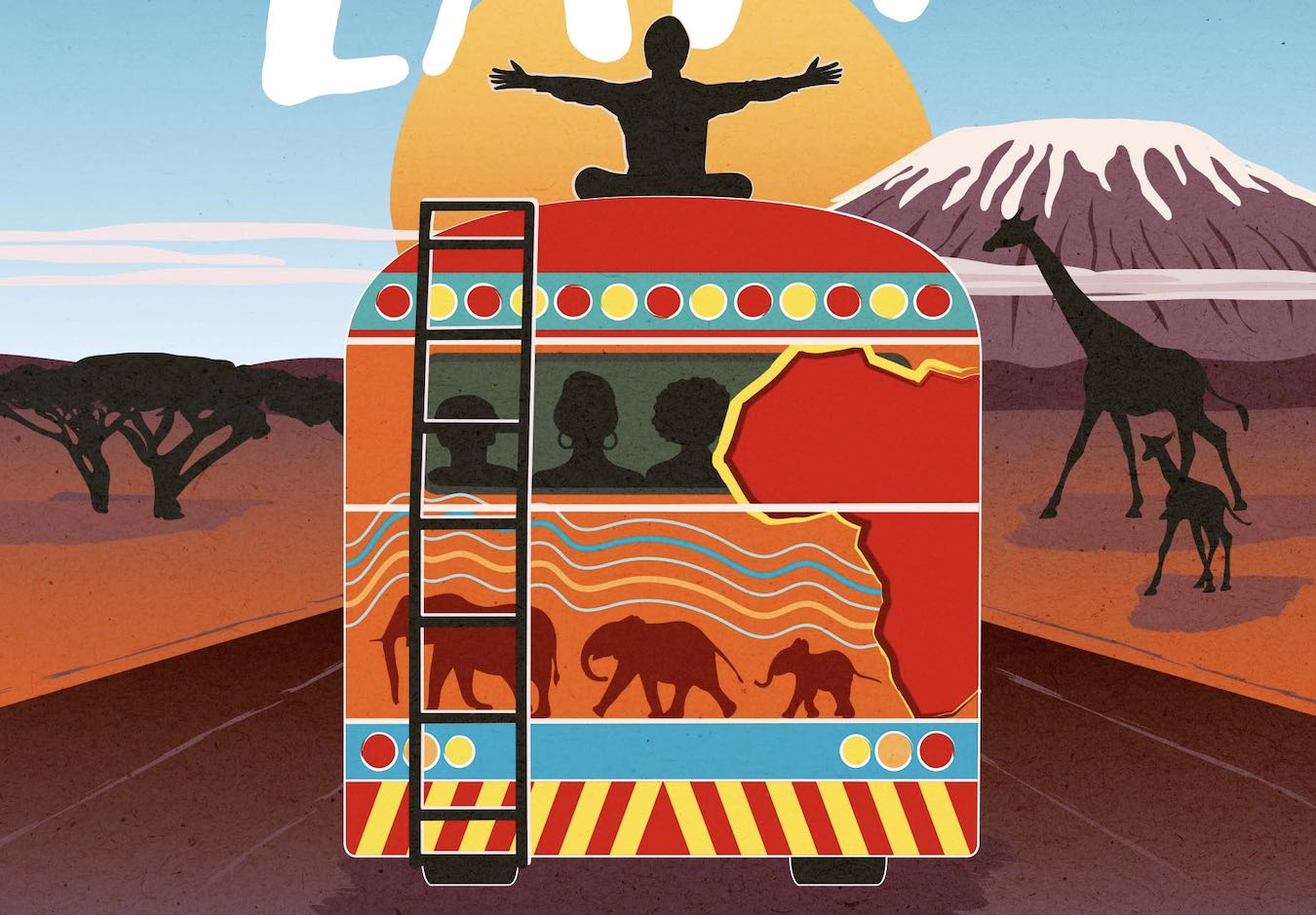
Now traveling alone through Tanzania after parting ways with Tim, Ahern finds himself perched on the roof of a crowded bus, where he witnesses a woman openly grieving for her husband. Her anguish brings back memories of his father’s death and emotions he’s spent years trying to bury.
It’s a moment that forces Ahern to confront how much of his life he’s spent protecting himself from the pain of losing someone he loves, something any culturally fluid person would also be acutely aware of.
It seemed we’d just found an even dumber way to die.
But nothing prepares him for what happens aboard the last bus to Lamu.
Still traveling on his own, Ahern accepts a chocolate from a fellow passenger on a bus bound for Kenya’s coast. Within minutes, his vision blurs, his body begins to fail him and he realizes something is terribly wrong.
“Nothing was working. I couldn’t speak or move. I tried to scream,” Ahern writes.
When he eventually regains consciousness, he’s lying behind steel bars, surrounded by armed men, unable even to remember his own name.
Over the following days, Ahern drifts in and out of consciousness, plagued by terrifying hallucinations. Convinced he’s been kidnapped by armed militants, he even attempts to escape from a moving vehicle, unaware that the very people he fears are trying to save his life.
But just as Ahern begins to recover, he faces an extraordinary moral dilemma.
The Kenyan police ask him to identify the man accused of poisoning him and testify against him. But there’s a catch. Ahern is told that his testimony could help send the man to the gallows.
Ahern owes his life to the strangers who rescued him, and he wants the man responsible brought to justice. But could he live with himself knowing his testimony might lead to another man’s execution?
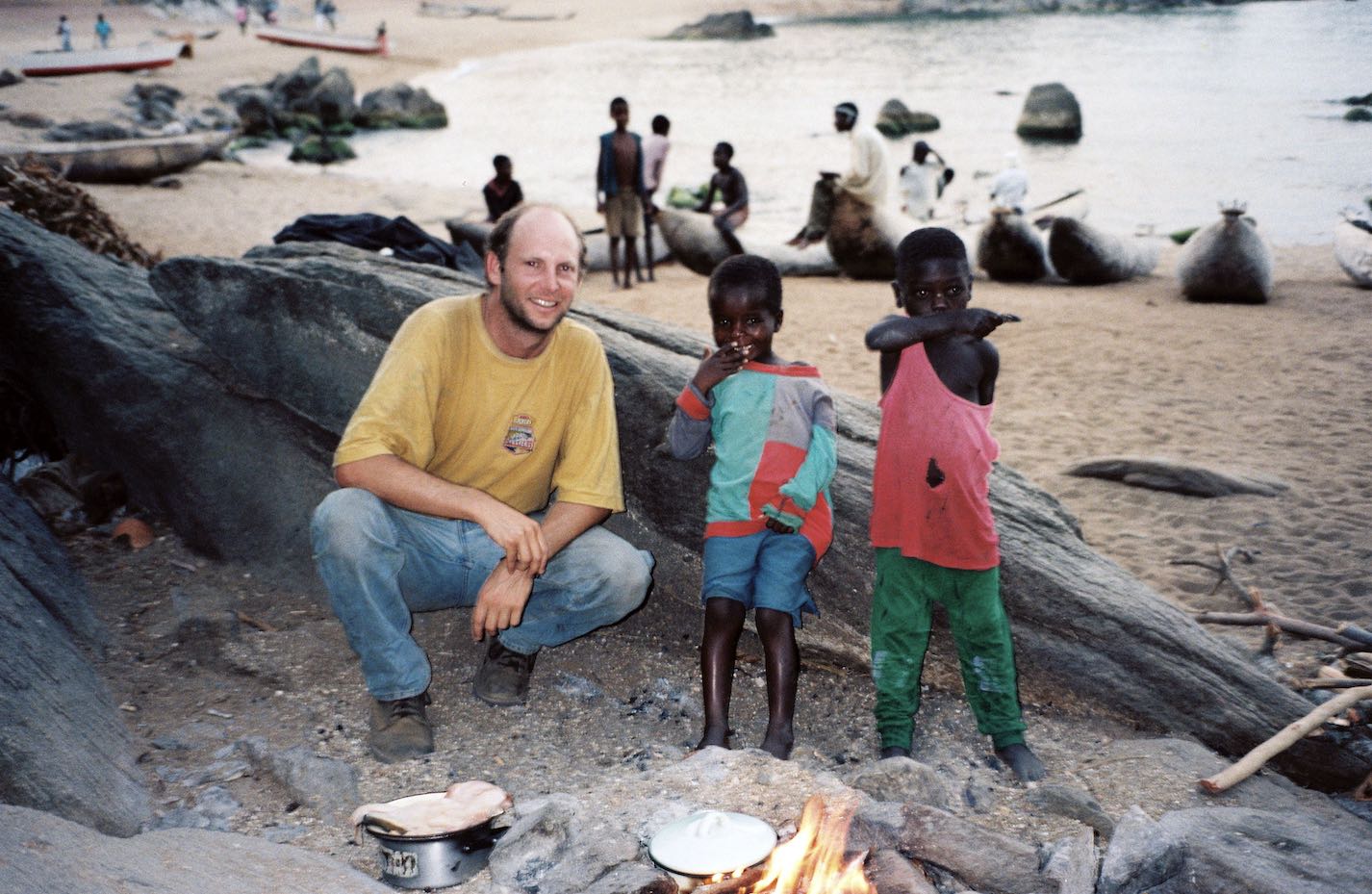
Yet for all the danger, it’s the extraordinary kindness of strangers that leaves the deepest impression on Ahern. The people who feed him, shelter him and ultimately save his life challenge everything he thought he knew about the world.
Thirty years later, Ahern has turned that extraordinary journey into his new memoir, “The Last Bus to Lamu.”
It’s a story about heartbreak, adventure, the kindness of strangers and discovering that sometimes the greatest risk of all is opening your heart to love again.
“To me, travel represents an empowering act of education, rejuvenation and self-discovery,” he says. “I welcome you to climb up on the roof of the bus with me, grip tight and enjoy the ride!”
“The Last Bus To Lamu: A Life-Changing Journey Through the Wild Heart of Africa” is available at preferred eRetailers and bookstores.