

Moving can be challenging for the culturally fluid, whether it be from one continent to another or from the countryside to the big city.
In the new Netflix film “Left-Handed Girl,” written by Shih-Ching Tsou and Sean Baker and directed by Tsou, a single mother and her two Domestic Third Culture Kid (DTCK) daughters return to Taipei after several years of living in the Taiwanese countryside to open a stand at a buzzing night market. Each in their way have to adapt to this new environment to make ends meet and maintain the family unity.
But when their traditional grandfather forbids his youngest left-handed granddaughter from using her “devil hand,” generations of family secrets begin to unravel.
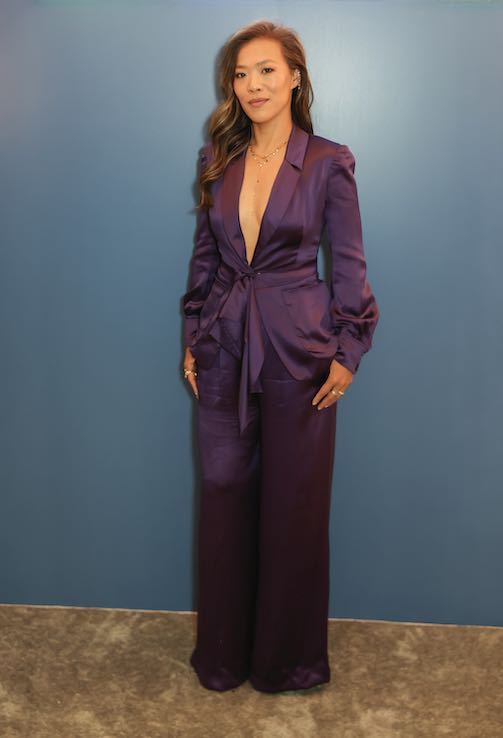
Tsou, who was born and raised in Taiwan and went to New York City, U.S.A. to study for a master’s degree in media studies at The New School, has been working on the film since the early 2000s. After finishing her film “Take Out,” she and her writing partner Baker traveled to Taipei and completed the first draft of the script.
While they even began location scouting and casting, because it was a Mandarin-language film set in Taiwan, financing it from the U.S. proved impossible and the project was shelved again. It wasn’t until 2021 after the premiere of their film “Red Rocket” in Cannes, France that a French production company took an interest in “Left-Handed Girl.”
The original script was written in English, “but once it was translated into Mandarin, some nuances appeared in the dialogue,” Baker says. “Of course, between the time we started writing it and the time we went to Taiwan for a long stay in 2010, there were some adjustments, but in the end, the script is very close to the original intention.”
In the movies Baker makes, “I draw on the authenticity of details from encounters, and this was no different, except that we drew on Shih-Ching’s background to create a story and dramatize it. In fact, I don’t really know what comes from her life in this film.
“I do know, however, that she wanted it to tackle the question of equality between men and women in society, because she felt that during the years she lived in Taiwan, this fed a certain frustration in her,” Baker continues. “The last part of ‘Left-Handed Girl’ is clearly a catharsis for her and for the characters.”
VIVID MEMORIES
For Tsou, the film was born from vivid memories.
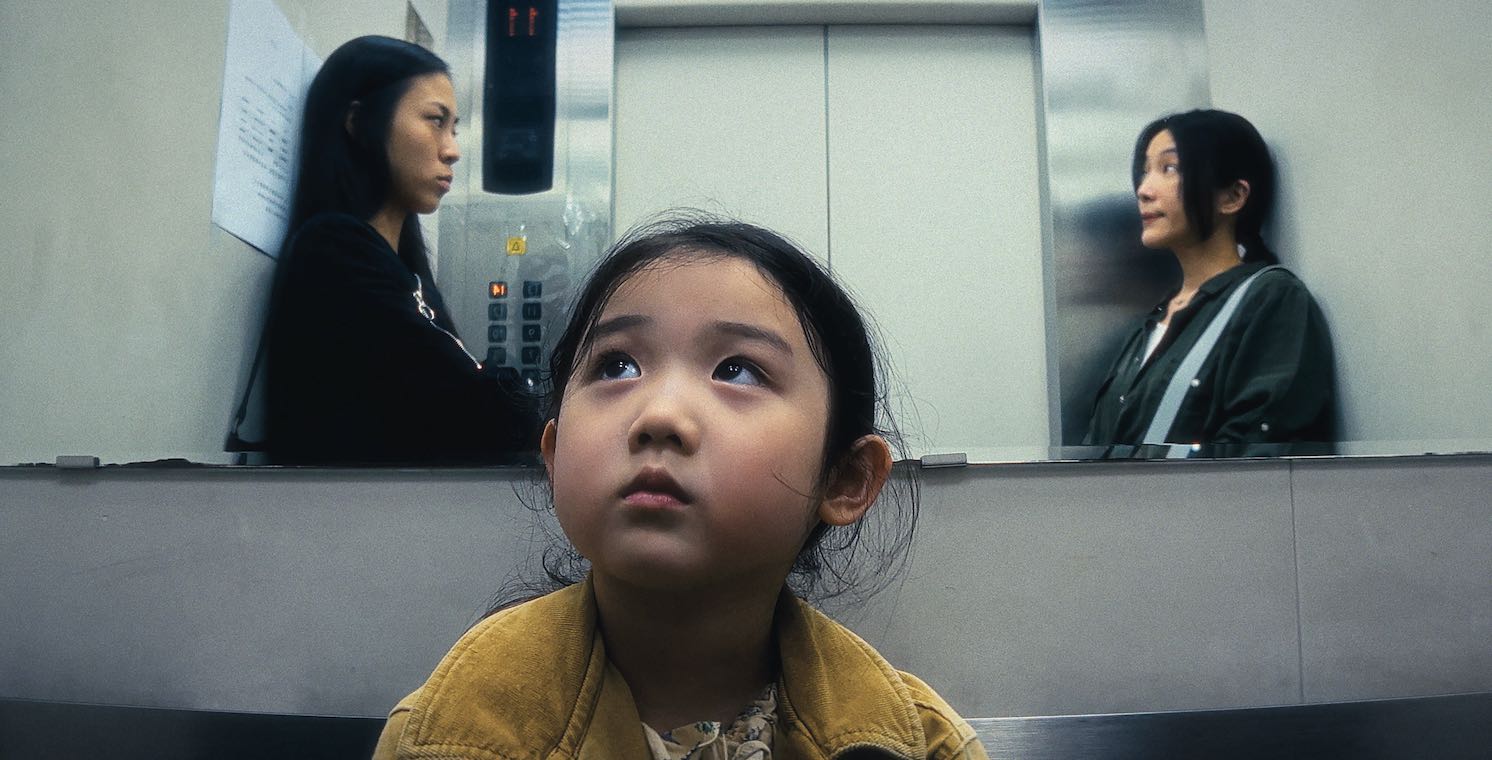
“As we developed ‘Left-Handed Girl,’ I began collecting stories — some from friends, some from family and even from strangers,” she says. “It’s based on my wanderings through Taipei’s night market, and the friendships I made with people there. I even based the character of [the younger sister] I-Jing on a real little girl I met at the market.”
Tsou says she was drawn to the tension within traditional families — “how fear of judgment or rejection by society can lead to secrets being buried for years.”
The tension between personal identity and cultural expectations is “something so many of us quietly navigate,” according to Tsou.
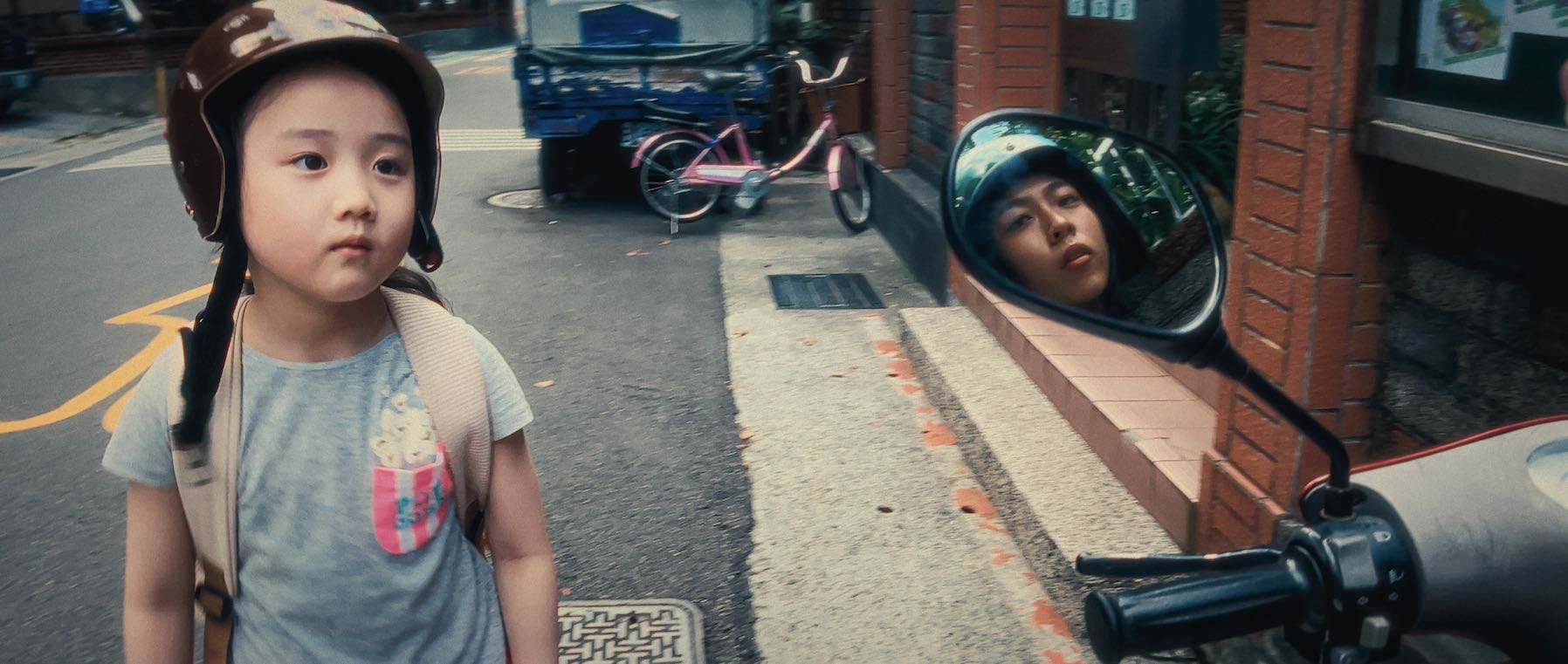
Growing up in Taiwan, Tsou often felt confined by tradition and expectations, especially as a girl.
“I was taught to stay quiet, to follow the rules, to not take up space or draw attention,” she says. “But looking back, I see how those limitations shaped me. They taught me to observe, to listen between the lines, and, most importantly, to give voice to those who couldn’t speak up.”
Returning to Taiwan to make “Left-Handed Girl” felt like reconnecting with that “quiet version” of herself, and finally telling her story out loud.
“With ‘Left-Handed Girl,’ I wanted to explore that complexity — the push and pull between tradition and individuality,” Tsou says. “I hope to encourage people to reflect on where they come from and also to feel empowered to carve out their own path, even if it’s not a straight one.”
I was taught to stay quiet, to follow the rules, to not take up space or draw attention.
Additionally, shooting in Taiwan felt like “rediscovering the beauty of my home country” after so many years spent abroad, according to Tsou.
“My cinematographers kept asking why I wanted to capture certain details — like the green pavement the girls walk across after leaving the pawnshop, or the classical music drifting from a garbage truck reminding people to take out their trash,” Tsou says. “These are small, everyday things — but they’re so uniquely Taiwanese, and I find them beautiful now.”
CONTRASTING SENSORY VIBRANCY WITH INNER SILENCE
“Left-Handed Girl” is set in a sensory, colorful universe, while its screenplay tends toward an emotionally nuanced tone. That contrast was “very intentional,” according to Tsou.
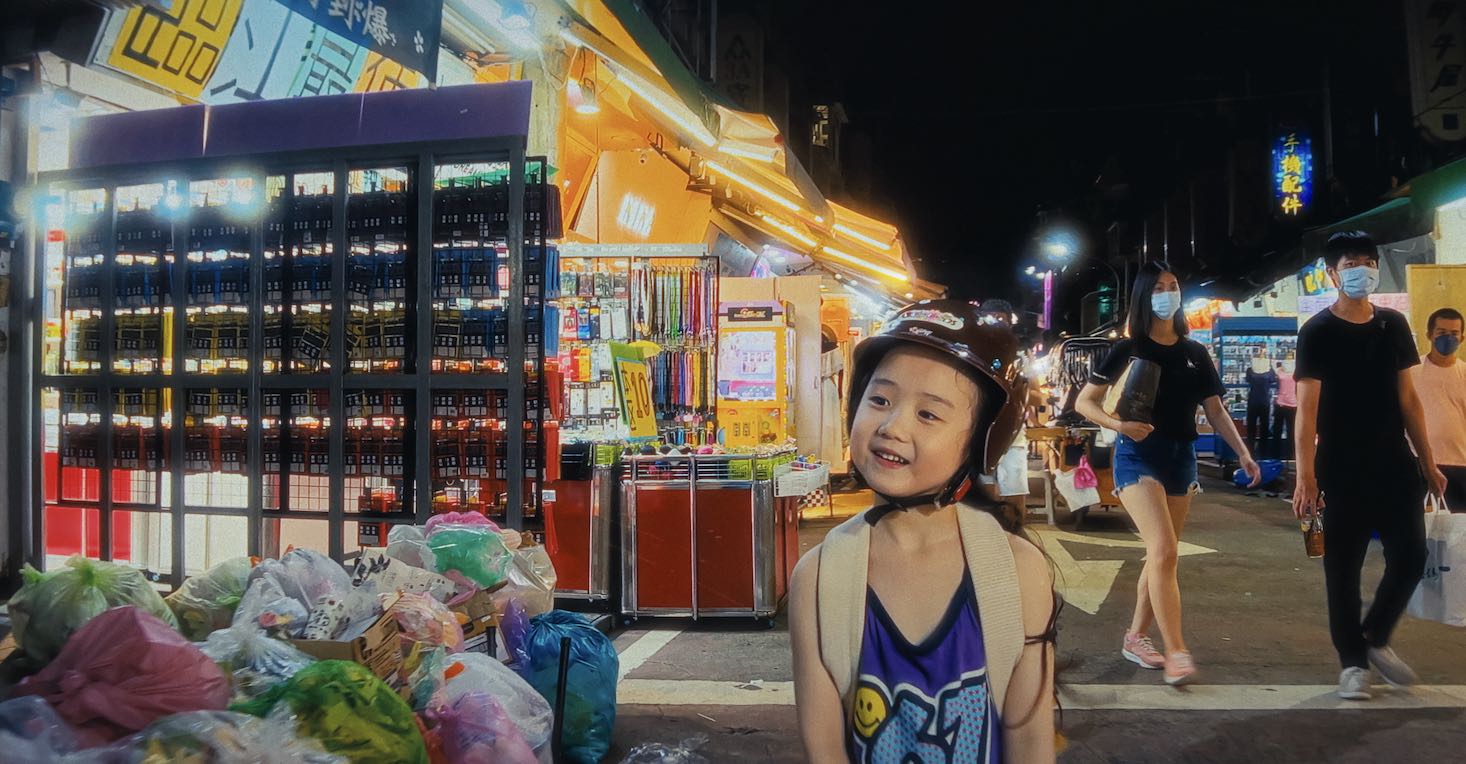
While the film takes place in a night market — a place full of light, sound, color and life — beneath that sensory vibrancy is a story filled with silence, repression and unspoken pain, she adds.
“I wanted the film to mirror many of our experiences of family life in Taiwan: Everything looks lively and ‘normal’ on the surface, but deep emotional currents are running underneath,” Tsou says. “Real families don’t exist in just one tone. Life is messy, emotional, absurd and tender, often all at once. That blend came naturally, shaped by both my own experiences and what I witnessed in others.”
Tsou adds that she didn’t want to force the story into a specific genre or mood: “I just tried to stay honest to the emotional rhythms of a real family, how love, tension, humor and pain can all coexist in the same breath.”
“Left-Handed Girl” is currently streaming on Netflix.