


Travel planning used to be a chore for many — maps, guidebooks, and generic “top 10 attractions” lists often left travelers uninspired. But the rise of digital storytelling has fundamentally changed how people — even Third Culture Adults — experience new destinations.
Instead of wandering aimlessly with a crumpled tourist map, travelers are now able to step into the story itself: hearing from locals, diving into history, and discovering hidden gems that often escape the typical tourist trail.
Travel today is no longer just about capturing pretty photos. These four approaches are transforming the tourism experience, making it meaningful and memorable for modern explorers.
1. Virtual Reality Tours
Virtual reality (VR) tourism may sound niche or even gimmicky, but it has quickly become a powerful tool for travelers. VR allows them to preview destinations in ways previously unimaginable. For example, users can explore Machu Picchu through a headset, gaining insight into the angles, vantage points, and areas worth spending time in — sparking a desire to visit in person.
Museums like the Louvre now offer VR experiences that bring visitors closer to masterpieces such as the Mona Lisa, free from crowds and restrictions. VR also opens doors for those unable to travel physically; a grandparent, for instance, can spend an afternoon “walking” through Petra in Jordan, sharing stories of places recognized from their youth.
While VR does not replace actual travel, it enhances planning and inspiration, giving travelers a richer sense of what awaits.
2. Storytelling Apps
Apps such as Detour and VoiceMap go beyond directions, offering travelers the historical and cultural context behind every stop. In cities like Prague, travelers can receive stories about local figures or historic events tied to their exact location, transforming ordinary streets into meaningful experiences.
These apps act like a knowledgeable local companion who never tires or leads travelers into tourist traps. For those seeking a deeper connection, storytelling apps reveal personal histories, legends, and hidden narratives that guidebooks often overlook — ensuring that trips resonate long after they end.
3. Social Media Narratives
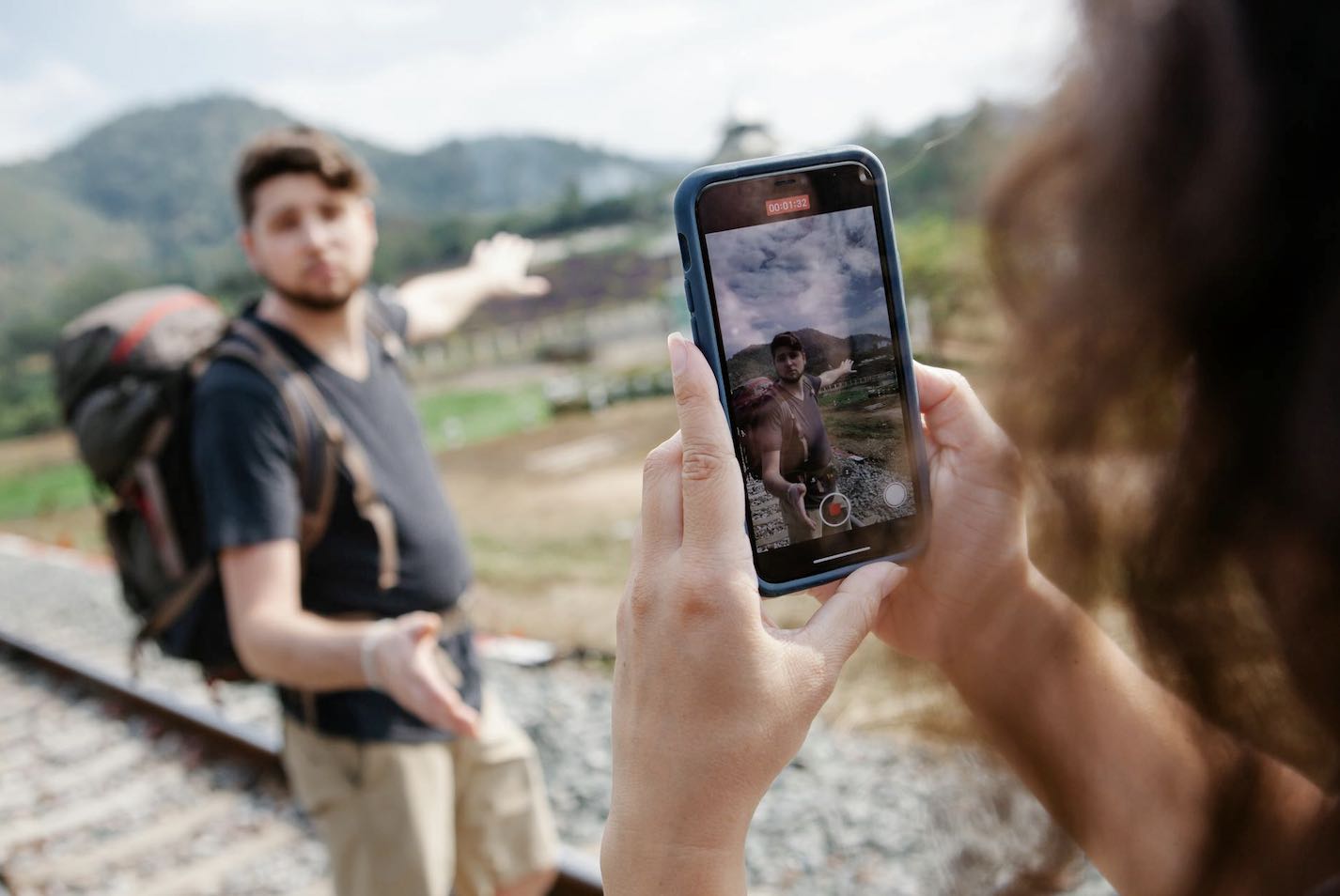
Social media platforms like Instagram and TikTok often receive criticism for overproduced influencer content, but when used thoughtfully, they offer invaluable insights for travelers. Authentic posts from everyday explorers can uncover hidden gems, like a small noodle stall in Bangkok highlighted through a simple, enthusiastic video.
The key for travelers is curating the right sources: skipping polished influencer feeds in favor of authentic content from fellow travelers or local accounts. These posts reveal the real travel experience — the missed trains, language barriers, spontaneous discoveries, local festivals, and secret shortcuts — helping travelers see destinations through new eyes.
4. Interactive Online Content
Modern travel blogs and YouTube channels provide fully immersive experiences. Interactive maps, videos of conversations with locals, and GPS coordinates for iconic viewpoints turn traditional travel guides into stories that feel alive.
Travelers following bloggers like Eva Zu Beck don’t just learn where to go — they witness the planning process, the unexpected mishaps, and the moments that make travel memorable. This content allows people to experience destinations virtually, giving them a sense of being part of the adventure before they even leave home.
Conclusion
Traditional travel planning — booking flights and hotels — is still essential, but digital storytelling adds layers that were previously unavailable.
Whether travelers are using a Samsung TV to explore virtual tours from the couch or following a travel blogger’s latest adventure, these digital tools connect people to places long before they arrive — turning trips into stories and stories into lasting memories. Adventures no longer have to begin at the airport. With the right digital stories, they can start the moment a traveler chooses to explore.