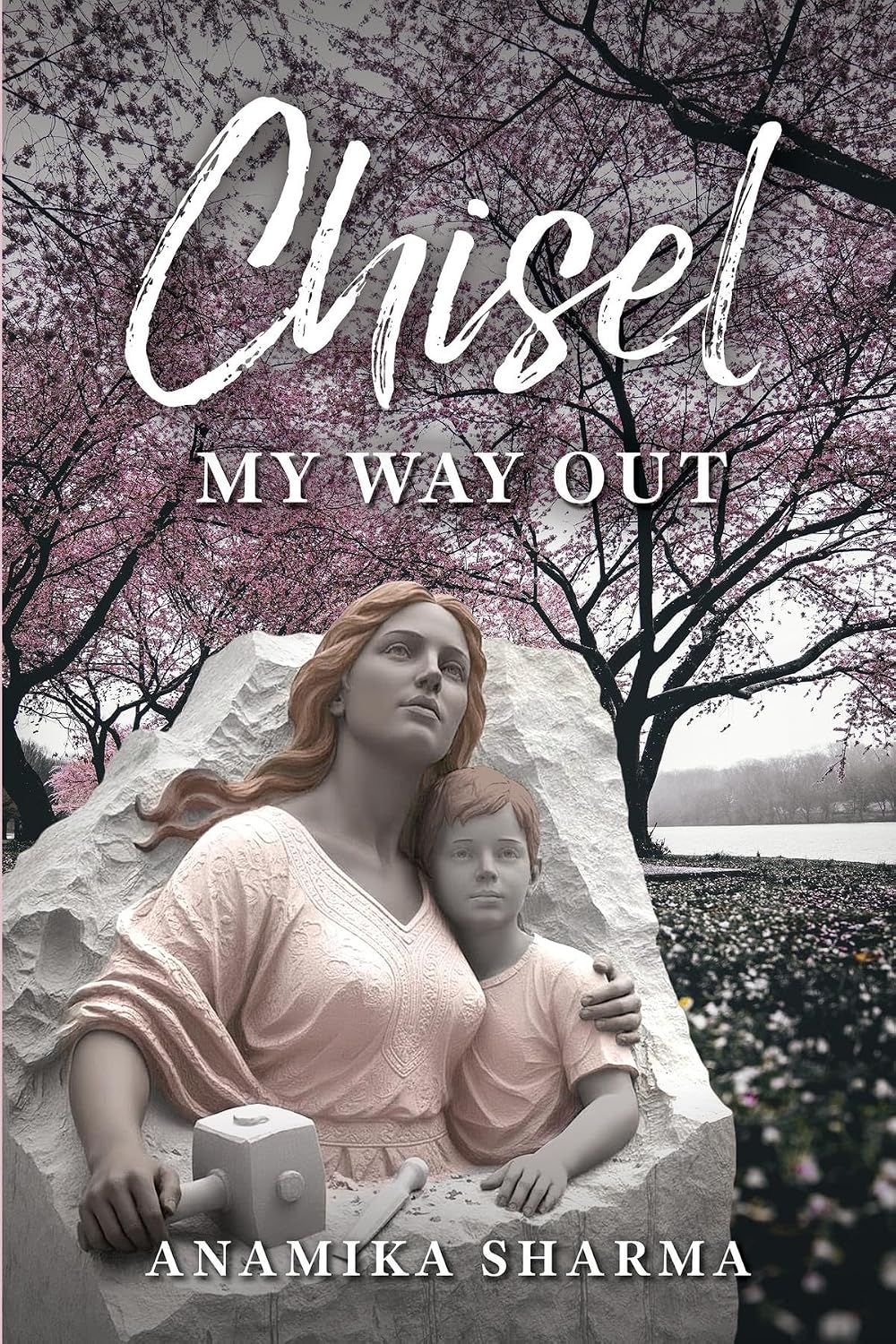







In her debut psychological suspense novel “Chisel My Way Out,” Dr. Anamika Sharma explores the beliefs that shape our expectations of marriage long before we ever think to question them.
Through Roma’s marriage, the novel examines what happens when the stories we’ve built our lives around collide with reality.
Marriage doesn’t just join two lives.
It brings together two sets of expectations.
Those ideas are shaped by family, culture, faith and the stories we’ve inherited about love, commitment, compromise and ’til death do us part.
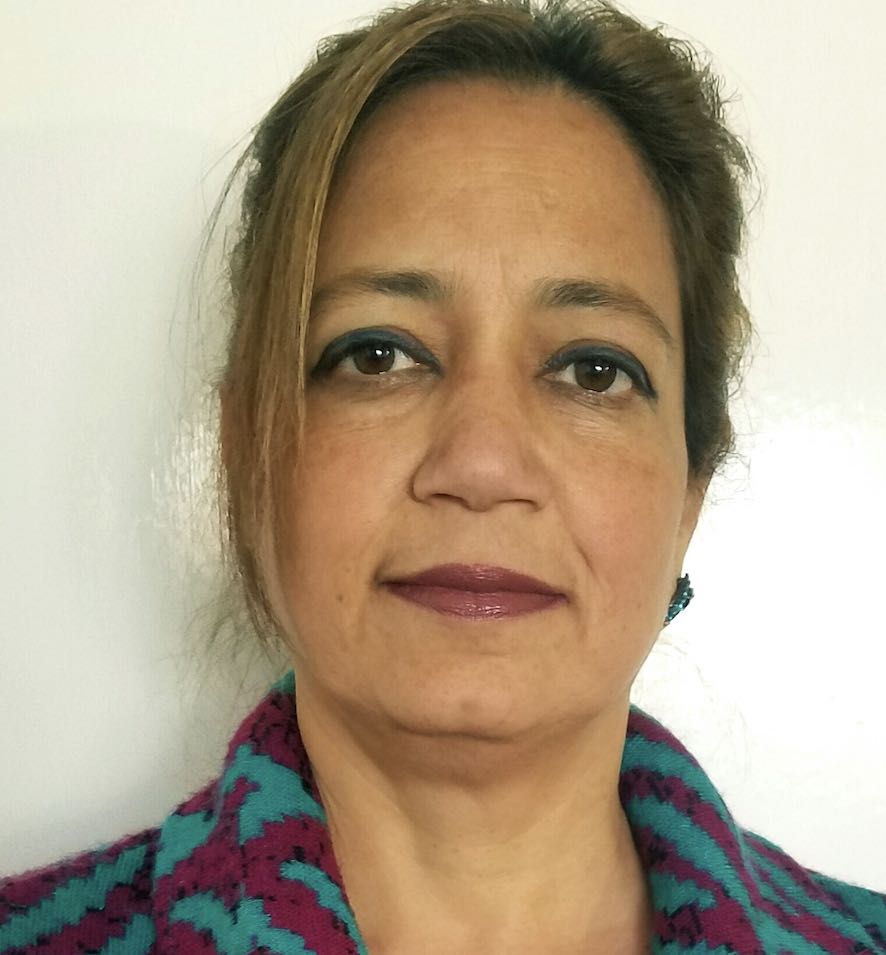
“Adil in India was poles apart from the Adil in Jordan. Does culture do that? Or you are what you are?“
What happens when one person’s understanding of love begins to demand the other person’s silence?
It is a question Sharma has explored throughout her own life.
A linguist, researcher and educator, Sharma has spent more than 15 years studying the relationship between language, culture and identity.
Through her own experience of a culturally fluid marriage, Sharma began questioning what happens when love collides with culture, expectation and deeply ingrained ideas about marriage.
“It’s my personal journey — raising my son while balancing teaching, research and artistic pursuits — that truly defines me,” she says.
Endurance isn’t always a virtue.
Forgiveness doesn’t mean accepting harm.
As Roma builds a new life in Jordan, emotional manipulation, coercive control and abuse slowly replace the love she believed had brought her there.
Sharma believes the most significant changes in a relationship rarely happen overnight.
They happen in the compromises we stop noticing.
The expectations we stop questioning.
The instincts we slowly learn to ignore.
Until something that once felt unthinkable begins to feel normal, she says:
That is what I had learned from my elders, Bollywood and society. Never to say no to my man… Head saying that I am doing a good thing… It is expected of me… But the heart says that I am not standing up for myself.
Relationships are meant to change us.
The question is whether that change reflects who we truly are … or simply who we’ve learned to become.
Sharma believes identity isn’t lost in one moment — it erodes gradually.
Compassion doesn’t require self-abandonment.
Healing begins the moment we start listening to ourselves again.
“Chisel My Way Out” is available on Amazon in hardcover, paperback and Kindle.