

No matter where people live, everyday items often tell stories that go beyond their practical purpose. From reusable shopping bags to handwritten notebooks, shared meals to favorite mugs, these simple objects become part of daily routines across continents. They reflect traditions, personal identity and community while creating common ground between people from different backgrounds.
Although cultures vary in customs and lifestyles, many everyday essentials serve similar roles. They help people work, travel, celebrate and express themselves. Looking closely at these familiar objects reveals just how much people around the world have in common.
Reusable Bags That Travel Everywhere
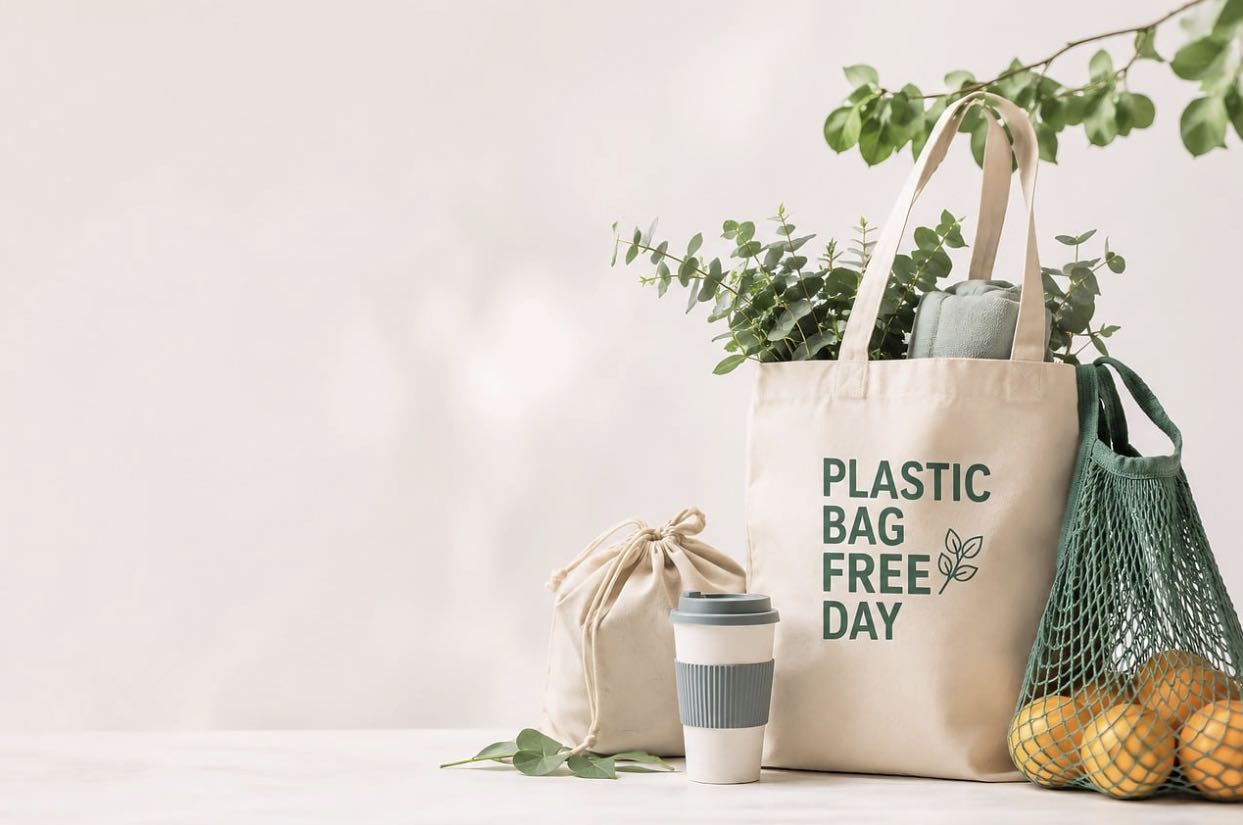
Reusable bags are among the most familiar everyday items around the world. People use them to carry groceries from local markets, transport books across university campuses, and pack supplies for work, travel, or weekend activities.
Their broad surfaces also make them natural canvases for creative expression. Businesses, charities, artists and community groups use reusable bags to display logos, artwork, cultural designs and meaningful messages. A single bag might promote an event, support an environmental campaign or serve as a reminder of a memorable place.
The intended use should guide the choice of bag. Canvas may suit heavier items, while lightweight nonwoven or drawstring styles may be more practical for events and giveaways. The selection on ToteBagsNow.com provides a useful reference for comparing these and other common bag formats before choosing an option for promotional, retail, or community use.
Clothing That Reflects Identity
Clothing is another everyday item that connects people while celebrating cultural differences. Every society has traditional garments that represent history and heritage, yet modern fashion often blends influences from around the world.
A simple scarf, jacket or pair of trainers/sneakers may be styled differently depending on the country, but the purpose remains the same: comfort, self-expression and confidence. Fashion allows individuals to honor their roots while embracing global trends, making it one of the strongest examples of cultural exchange.

Food Containers That Bring Families Together
Across cultures, meals are central to family life and social gatherings. The containers used to prepare, transport and share food may differ in appearance, but they all support the same tradition of bringing people together.
Lunch boxes, serving bowls, reusable containers and picnic baskets make it easier to share home-cooked meals with friends, colleagues and loved ones. These everyday items often carry recipes passed down through generations, preserving traditions while introducing others to new flavors and customs.
Sharing food is one of the simplest ways people learn about different cultures without saying a single word.

Stationery That Encourages Creativity
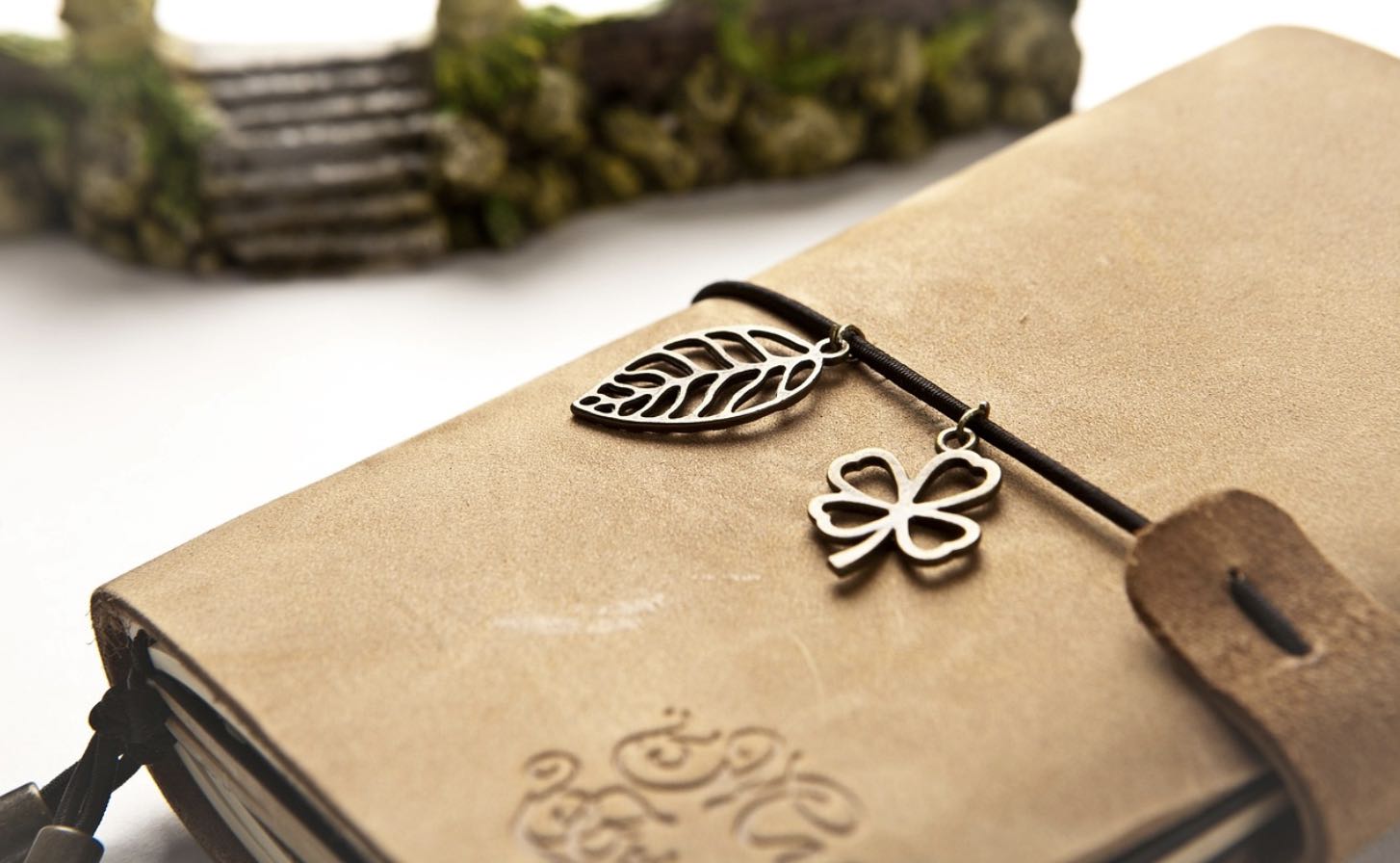
Pens, notebooks, journals and sketchbooks remain valuable despite the rise of digital technology. Around the world, students use them for learning, professionals rely on them for planning and artists transform blank pages into creative works.
A notebook may hold business ideas, travel memories, family recipes, or personal reflections. While the language inside may vary, the purpose of recording thoughts and preserving experiences is universal.
These simple tools encourage communication, creativity, and lifelong learning regardless of age or location.
Personal Accessories with Meaning
Many everyday accessories carry emotional value alongside their practical use. Jewelry, watches, keyrings, wallets and phone cases often become symbols of important milestones, friendships or family traditions.
A bracelet received as a gift or a keyring collected while traveling can instantly bring back meaningful memories. These items remind people of places they’ve visited and relationships they’ve built, reinforcing the emotional connections that extend across cultures.

Everyday Items and the Third Culture Kid Experience
For many Third Culture Kids (TCKs), i.e. people who spend a significant part of their childhood growing up in cultures different from their parents’ home culture, everyday belongings often carry a special meaning. Familiar objects such as a favorite tote bag, water bottle, notebook or keychain can provide a sense of continuity while moving between countries, schools, and communities. These items become reminders of friendships, places and experiences gathered from different parts of the world. Rather than representing a single culture, they often reflect a blend of influences, showing how ordinary possessions can help people maintain a sense of identity while building connections across diverse cultures.
Why Everyday Items Matter
It’s easy to overlook the objects we use every day, but they quietly shape our routines and relationships. They help us express ourselves, care for others and celebrate important moments. Whether carrying groceries, sharing meals, writing ideas or remembering special occasions, these familiar items reflect values that people around the world share.
While traditions, languages and lifestyles may differ, the everyday objects that accompany our lives reveal a common human experience. They demonstrate that connection often begins with the simplest things, items that support daily life while carrying stories, memories, and meaning wherever they go.