
Donny Ale’s CULTURS Archive: Multicultural Identity & Lifestyle

A Guide to the Everyday Items That Connect People Across Cultures

No matter where people live, everyday items often tell stories that go beyond their practical purpose.

Which Domain Extension Strengthens a Diverse Online Identity?
Choosing a domain extension is no longer a trivial technical detail. For creators, nonprofits, and community leaders who care about representation, the letters after the dot carry meaning that shapes impressions and belonging before anyone reads a word of content.
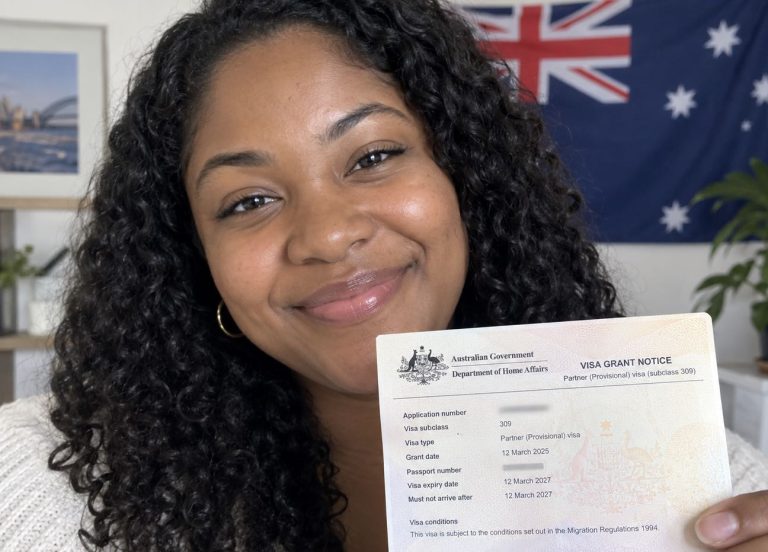
What to Know Before Applying for a Partner 309 Visa
A Partner Visa subclass 309 permits an eligible overseas partner to live in Australia while awaiting assessment for permanent residence through subclass 100.

Coming Home to a Dental Bill: The Healthcare Gap Nobody Warns Military BRATs and TCKs About
Most Third Culture Kids remember the packing boxes more than the porcelain. Every few years, schools change. In all this movement, one thing often gets overlooked: dental care.

More than Sport: GAA Clubs as Social Hubs for Expats
Across history, the Irish have been among the most famous travelers.

Dating Etiquette for Culturally Fluid Travelers, Adult Third Culture Kids and Expats
For culturally fluid individuals, Adult Third Culture Kids and expats, a first date at an upscale restaurant can involve more than choosing the right fork.

Expats & Exceptionalism: England’s World Cup Team as an Example of Immigration Patterns
The FIFA World Cup — men’s and women’s — joins the Olympic Games as arguably the best examples of the positive sides of nationalism and patriotism.