Introduction
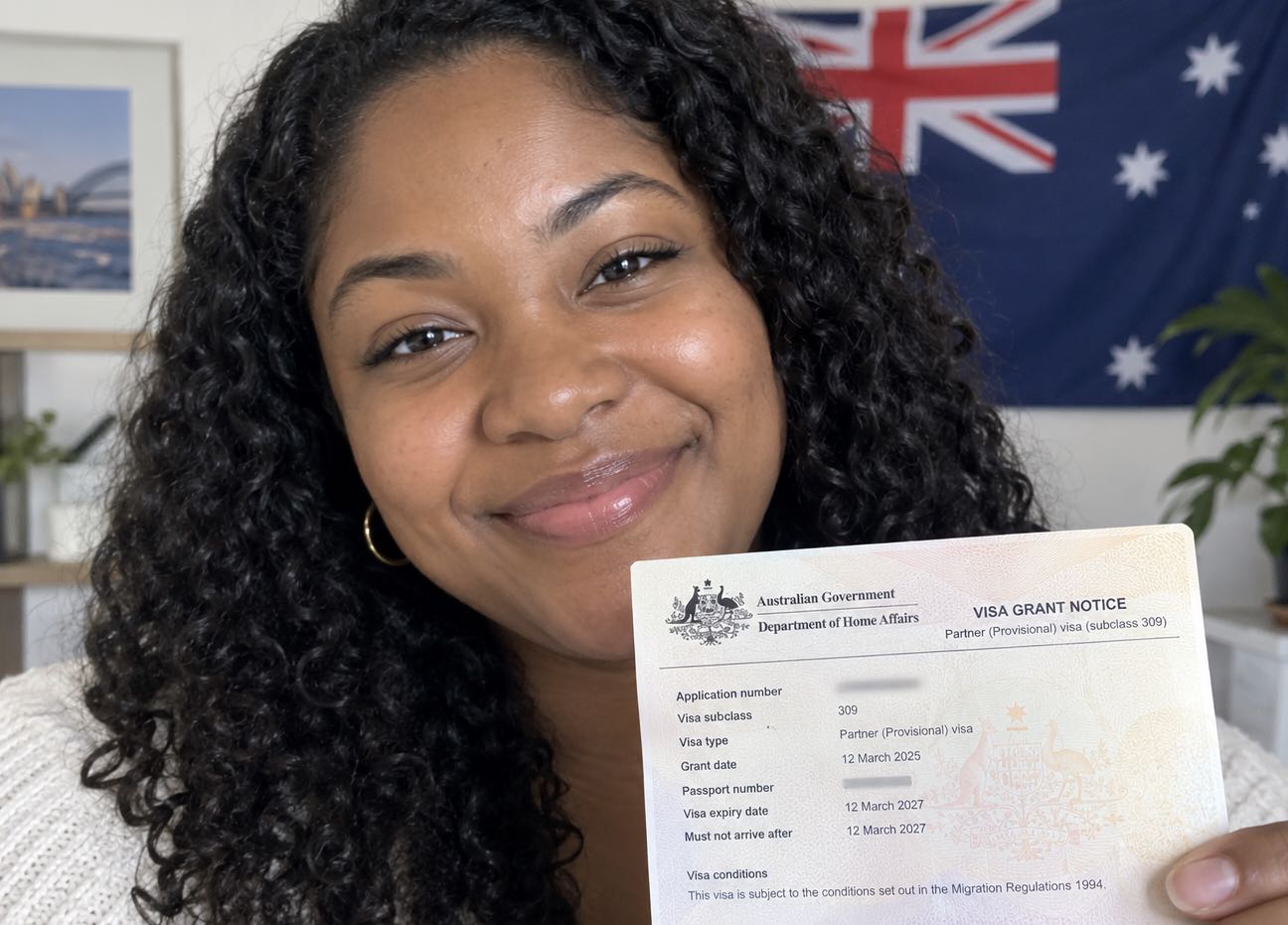
A Partner Visa subclass 309 permits an eligible overseas partner to live in Australia while awaiting assessment for permanent residence through subclass 100. The process involves relationship evidence, sponsorship obligations, health examinations, character documents, and family information. Preparation should begin well before lodgement. Applicants benefit from checking eligibility, building a dated evidence file, and reviewing every form for consistency. Each record should support the relationship history without contradicting information provided elsewhere.
Confirm the Correct Visa Path
Before lodging a partner 309 visa application, the overseas partner should confirm that the sponsor is an Australian citizen, permanent resident or eligible New Zealand citizen. The couple must demonstrate a genuine, continuing relationship. A married couple needs a legally recognized marriage. De facto partners usually need at least 12 months together, unless an accepted exception applies. Personal circumstances should be assessed before this pathway is selected.
Location Rules Matter
Subclass 309 applicants must be outside Australia when the application is lodged. Included family members generally need to remain offshore at that time. The applicant may usually be in Australia or overseas when a decision is made, subject to applicable requirements. Travel plans therefore deserve careful attention. Any change in location, contact details, or family circumstances should be reported through the appropriate immigration process.
Proving a Genuine Relationship
Evidence Categories
Assessment focuses on whether the partnership is genuine and continuing. Evidence may address finances, household duties, social recognition, communication, and plans for a shared future. Joint bank records, leases, utility accounts, travel bookings, photographs, messages, and family statements can assist. Strong files present a dated sequence of events, not a random collection of documents. Names, addresses, and dates should correspond across all material.
Marriage and De Facto Requirements
A married couple should provide a valid marriage certificate alongside records showing that the relationship continues. De facto partners need evidence of shared residence or another recognized basis for eligibility. Separate homes do not automatically prevent approval, although the reason requires a credible explanation. Periods apart should be supported with travel records, employment details, family circumstances, or other relevant documents. Clear chronology helps officers assess the partnership fairly.
Sponsorship Duties
The sponsor accepts significant responsibilities after approval. These may include offering financial assistance, suitable accommodation, and practical support during the partner’s initial period in Australia. Disclosure of previous sponsorships, visa history, and family information is also important. Legal restrictions can apply where earlier sponsorship commitments exist. Sponsors should review their own position before submission, rather than discovering an issue after lodgement.
Health and Character Checks
The applicant and included relatives must meet health and character standards. Medical examinations are generally completed through approved panel physicians. Police certificates may be required from countries where a person has lived for specified periods. Delays can occur when certificates expire, translations are incomplete, or further examinations are requested. Past offences and significant medical conditions should be disclosed accurately. Concealing relevant information can create more serious problems than the original issue.
Include Family Members Correctly
Eligible dependent children and other family members should be listed with care. Identity papers, birth records, custody evidence, health results, and character documents may be required. Where parents live separately, written consent or court orders can become relevant. A child’s location may affect the evidence needed. Omitting a relative, entering incorrect details, or overlooking custody arrangements can delay assessment and complicate later visa options.
Prepare a Consistent Application
A well-prepared submission tells one coherent story. Dates involving first contact, travel, residence, marriage, and major events should match across forms, statements, photographs, and official records. Errors should be corrected promptly, with an explanation where necessary. Applicants should retain copies of uploaded files and submission receipts. A final checklist can expose missing pages, unclear translations, expired certificates, and unsigned declarations.
Plan for the Permanent Stage
Subclass 309 forms the provisional stage of the combined 309/100 pathway. After meeting the relevant requirements, the visa holder may become eligible for subclass 100, often around two years after the initial application. Further relationship evidence may be requested. Couples should continue retaining joint leases, financial records, travel information, household documents, and communication history after temporary residence begins.
Common Preparation Mistakes
Common weaknesses include incomplete forms, vague relationship statements, unexplained separation periods, expired police certificates, and poor translations. Some applicants upload large volumes of material without explaining what each record proves. Quantity cannot compensate for inconsistency. A focused file containing dated, reliable evidence usually communicates the relationship more effectively. An experienced review before lodgement may reveal contradictions that are difficult to correct later.
Conclusion
A successful Partner Visa subclass 309 application requires more than proof of affection. The couple must satisfy offshore lodgement rules, document a genuine relationship, complete health and character checks, and provide accurate details for every family member. Sponsors also carry practical duties after approval. Early preparation allows time to obtain certificates, clarify past events, and organize records. Careful presentation supports a cleaner assessment and prepares the household for the permanent stage.