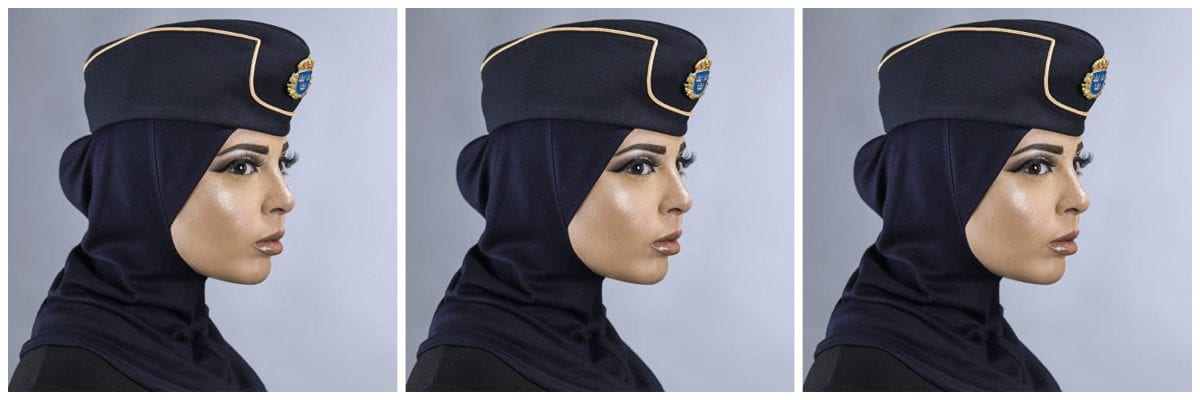

Main Photo: CC BY 3.0 / Matti Östling / Slöja för polisen
The fashion world is making developments in both the designs and messages sent through the clothes that are presented on runways all over the world. It’s more important than ever to be culturally aware, diverse and mobile in every industry.
It all started after 9/11 when significant racial judgment against the Muslim religion and people, especially Muslims who wear traditional hijabs and burkas in Western countries, became more prevalent and reinforced negative stereotypes that already existed.
Combating such prejudiced beliefs, Swedish-born fashion designer Iman Aldebe, who identifies as cross-cultural, decided to redefine Muslim beauty by creating her own designs. When Aldebe started her career, she was designing turbans as a way to be less conspicuous in Western countries because many people viewed Muslim dress as hostile and threatening. Aldebe was first noticed when she designed the first police uniform that included a hijab hat for the Swedish Police back in 2011; since then, she’s continued to create culturally mobile and influential pieces.
The perception that Muslim women’s dress means they’re submissive and controlled has had detrimental effects on Muslim women’s mental health and identity. “I use fashion as a tool to eliminate prejudices against Muslims,” Aldebe said in a 2015 interview with Al Jazeera. “I want to challenge the image of the oppressed Muslim woman in the West who voluntarily isolates herself from society … I tried to make a difference in society by coming up with solutions instead of letting society dictate what you can and can’t do.”
Aldebe continues to fight for representation of Muslim women’s (and men’s) dress. Due to rising attacks on Muslims in Western society, Aldebe believes the stigma has worsened, and she aims to continue fighting for equality the best way she knows how — through fashion.