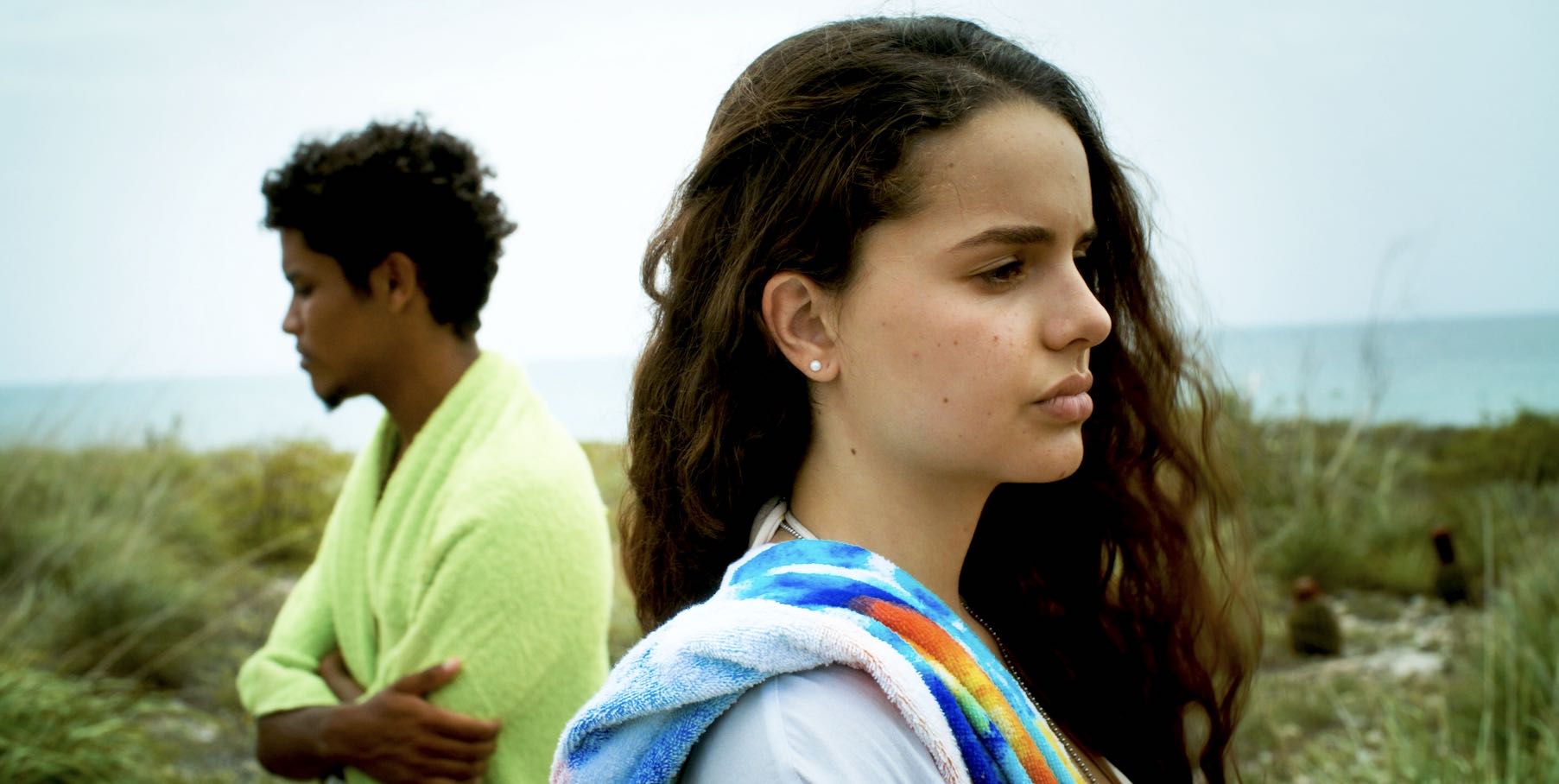
“Champions of the Golden Valley,” a documentary that originally was just supposed to be a short film about Afghan skiers turned into a much longer piece after those skiers were forced to leave the country as refugees when the Taliban returned to power.
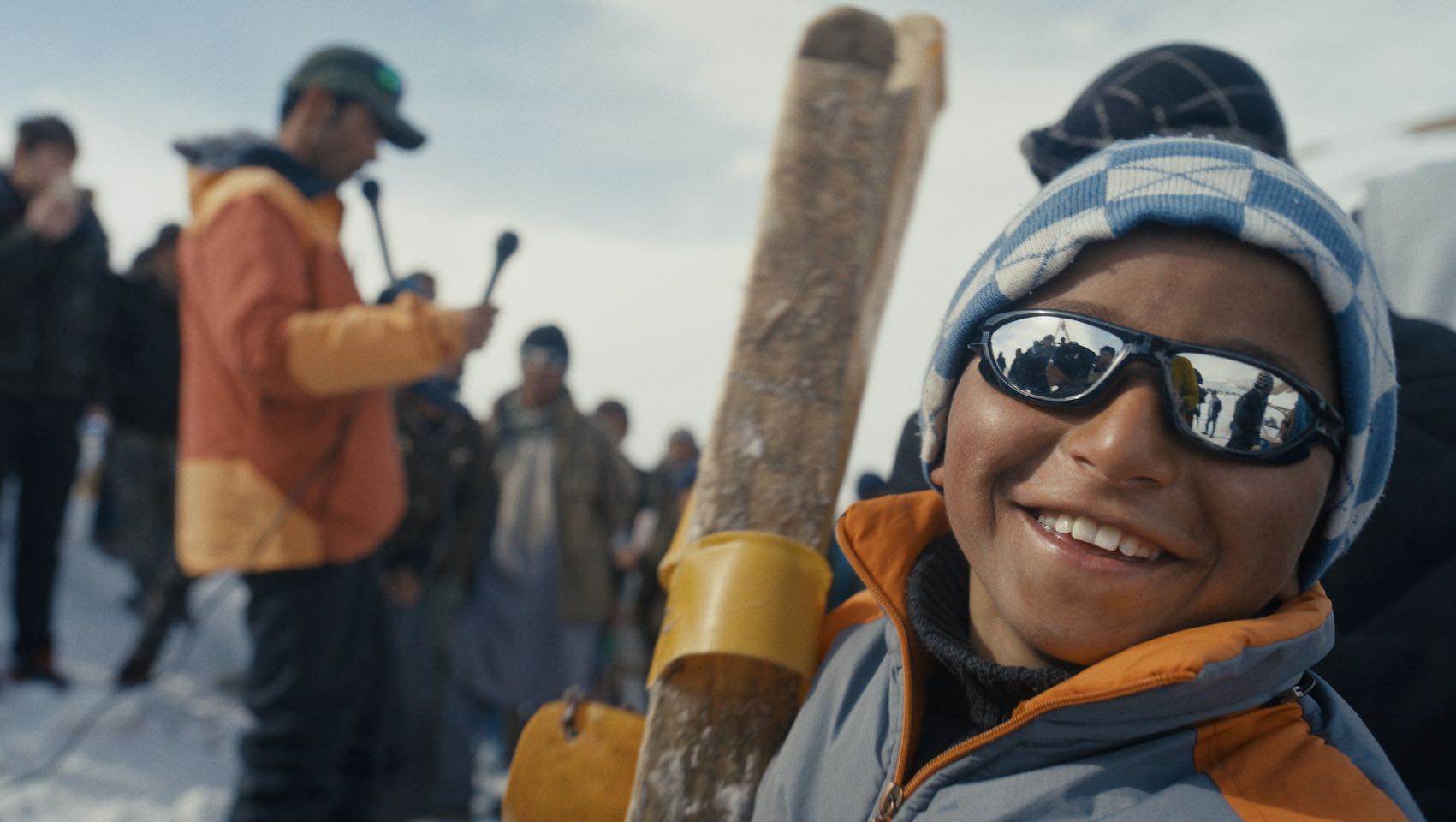
In the film, after narrowly missing his chance to become Afghanistan’s first Olympic skier, Alishah Farhang returns to the remote mountains of his homeland to inspire a vibrant new ski culture.
Bringing together young athletes from rival villages with makeshift wooden skis and secondhand gear, he organizes a ski race like no other, uniting his community in a rare moment of hope and triumph.
When their world is suddenly upended in 2021 with the fall of the Afghan government and the rise of the Taliban, he and the athletes had to call upon those lessons learned on the slopes to find their way forward.

The production staff involved in the film is international: Nobel Laureate Malala Yousafzai and Iranian American actor and activist Arian Moayed (“Spider-Man: No Way Home,” “Ms. Marvel”) are among the executive producers. Moayed was born in Tehran, Iran and emigrated with his family to the United States at age 5.
“I was born in Iran and we also are next to a mountainside,” Moayed says before a screening of the film in New York City, U.S.A. “When you talk about the Middle East, for many people … it’s hard to see anything other than desert or extremism, but there’s so much richness and so much humanity and so much resilience and so much fun that you will all see” in the documentary.
It completely changed the dynamic of what the film was.
The film was originally meant to be a short one about just the rivalry between a bunch of Afghan skiers, but when the Taliban took over the country in 2021, it morphed into something much more profound.
“It completely changed the dynamic of what the film was,” director Ben Sturgulewski says during a post-viewing panel at that screening. He credited producer Katie Stjernholm with doing the lion’s work of helping to get many of the subjects of the documentary out of Afghanistan.
“There was this really incredible network of people coming together from the veteran community … to just work to support the evacuation and to get safe passages out of Afghanistan and it was a really harrowing time,” Stjernholm says.
“The core focus was getting the female athletes especially to safety and Alishah and his family and we let months pass and we watched as people boarded planes not knowing where those planes were going to be landing,” she adds.
One of the conversations the filmmakers had with Farhang stands out to Stjernholm, especially once he was resettled in Europe.
“I remember it so vividly when he says, ‘When I’m in the supermarket, everyone looks at me like I’m a refugee and I don’t belong. And I just wish they knew I was a skier and I wish they knew I was a coach.’ And I think that just changed us,” she adds. “And Ben and I thought, well, we documented this community when it was intact. So many people and so many refugee stories and so many refugee documentaries, which are crucial and so important to be telling, they start at the peak moment of someone’s loss, someone’s trauma. And what does it look like to tell the story of what they left behind?”
Consequently, the filmmakers felt a responsibility to tell the story in a different way, taking the original 40-minute version and starting over.
“We would have never thought we’d still be working on this film when production started in 2019 but … this was the story we were supposed to tell,” Stjernholm says.
Check out a teaser of the film below.