


Arts

Into the Spider-Verse 2 Promises More Hidden Diversity

“Spiderman: Into the Spiderverse’s” hidden diversity lives both on- and offscreen. When a production has a diverse cast and crew, the content created is much more likely to represent diverse groups of people. Both in the cast and in production, […]

Exposing the Truth: Photography and Art Galleries

Photography as a Diverse art form and it’s inclusion in art galleries: A conversation about diverse representation and inclusion.

Preserving Cultural Narratives with Multimedia
Kara Walker is among one of the most prolific and complex American artists of her generation. She has gained national and international attention for her various works of art, and the variety of multi media she uses to create her […]

Black Power in Comic Books and the Importance of Nuance
Black Panther is not the first black character printed on paper, but he certainly has a lively journey, full of ruling Wakanda, saving the Marvel multiverse and early writer’s problematic beginnings. In this article, we analyze the history of black and African American people in comic books and address the importance of nuance in storytelling.
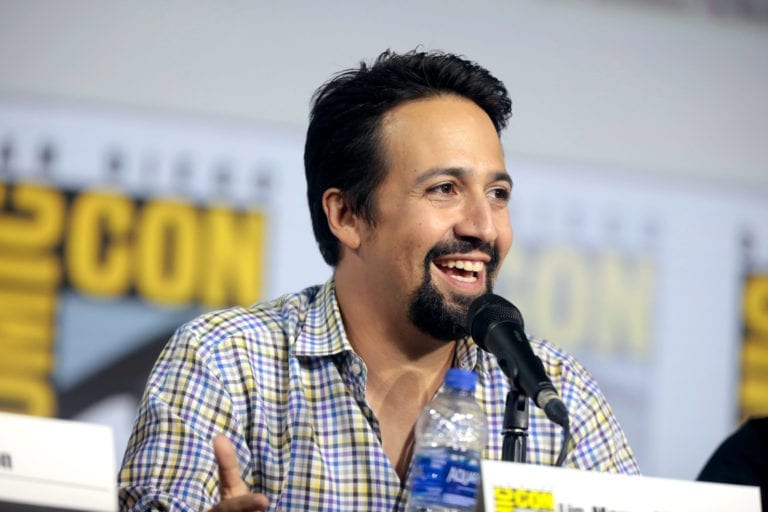
Lin-Manuel Miranda Brings Hidden Diversity to the Mainstream

Lin-Manuel Miranda is a true force of nature in the arts and attributes a great deal of his success to his parents’ cross-cultural influence.

Gun Violence, Race, and the Power of Music

The music video “This Is America” sparked a lot of conversation about gun control, police brutality, and racism.

Annie Leibovitz: Remarkable Photographer and Domestic TCK


Bridging the gap between commercial and fine art photography is a challenging task, but military brat and domestic TCK Annie Leibovitz does it with ease.


Abstract Expressionism & How Early TCKs Changed Art History
France and Italy have been known to be influential in the art world for centuries — the former birthing avante-garde and works by Rodin, Monet and others, and the latter blessing us with pieces, such as the Mona Lisa and the David sculpture. American art didn’t gain traction or credibility until the late 1930s with the rise of the Abstract Expressionist movement.