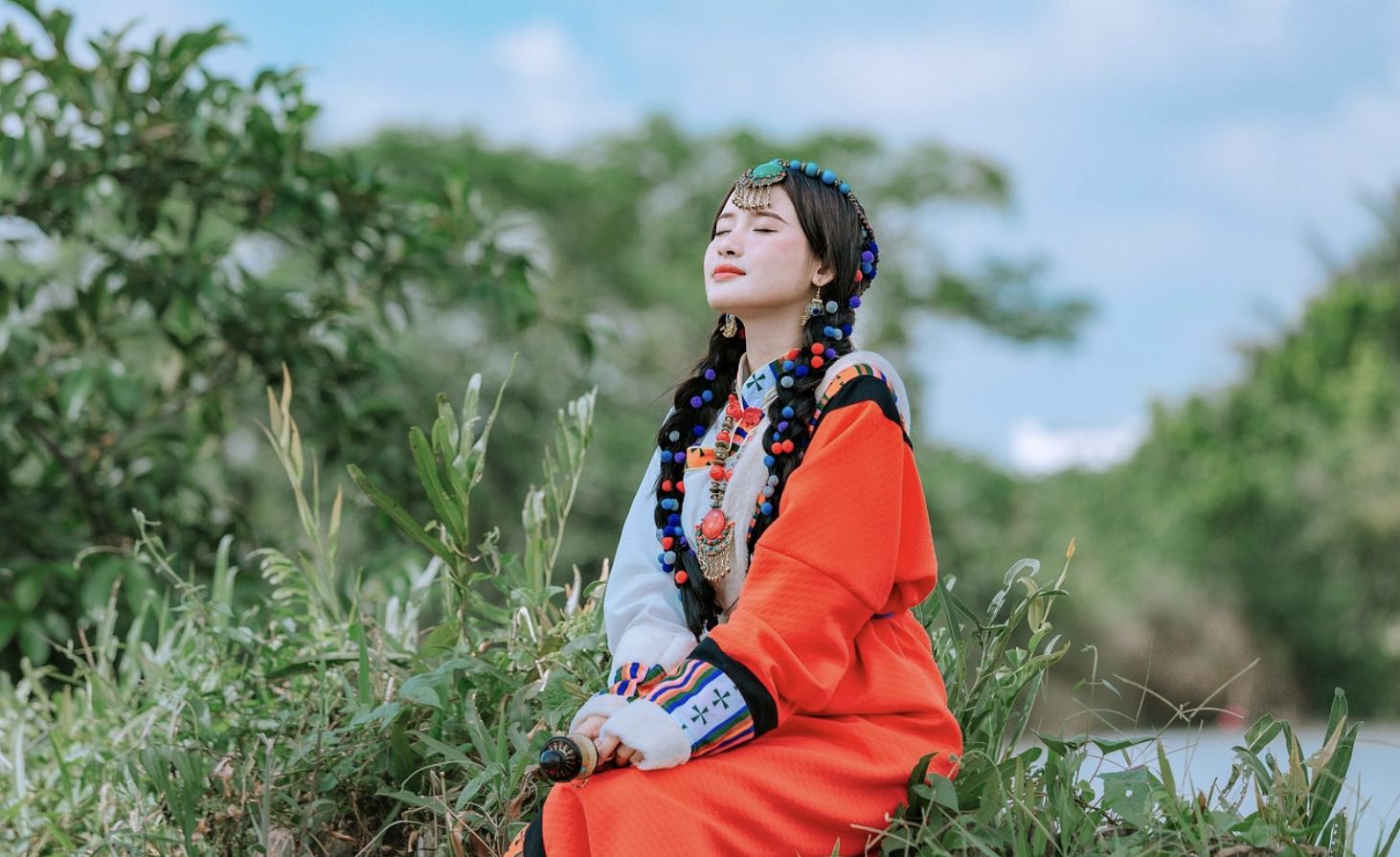
A recognizable earring usually worn by South Asian women is called the “Jhumka.”
It takes on many different designs. However, it is best known for having a bell-shaped dome hanging with little balls attached that make a bell or chime sound when it moves.

Though there are different names for this earring, such as “jhumki” or “jimmiki,” this article will refer to the general term “jhumka.”
According to Exotic Indian Art, the origins of these earrings trace back as early as 300 B.C.E., when used in temple statues during the Chola dynasty. The statues were “adorned with these jewels in tribute and recognition of their status.”
Additionally, South Asian regions, more specifically India, soon had distinct versions of the jhumka based on their diverse cultures.
For example, in an article by Shakunthala Jagannathan titled “Traditional Jewellery of India,” she describes distinct types of jewelry South Asians wore and their history. One of those pieces of jewelry was the “Karanphool Jhumka,” which originates from Rajasthan.
“Karanphool” translates to “a flower for the ear.” It used to have a more distinctive look than it does today.
You had to pierce your ear in four places to wear: “the lobe, the inner ear, the outer part of the middle of the ear and the top of the ear,” Jagannathan writes.
Eventually, during the era of the Moghul empire, the jhumka evolved from a “four-ear-pierced” earring to a “single jewel for the ear, each region having its special embellishment added to the basic design.”

Today, women across all South Asia, as well as non-South Asians, wear jhumkas in everyday life and even on special occasions.
After modernized during the Moghul period, the jhumka earring has never gone out of style, and you can see many assorted designs, big and small, to this day. It shows how much of an impact this jewelry piece has had on South Asia.