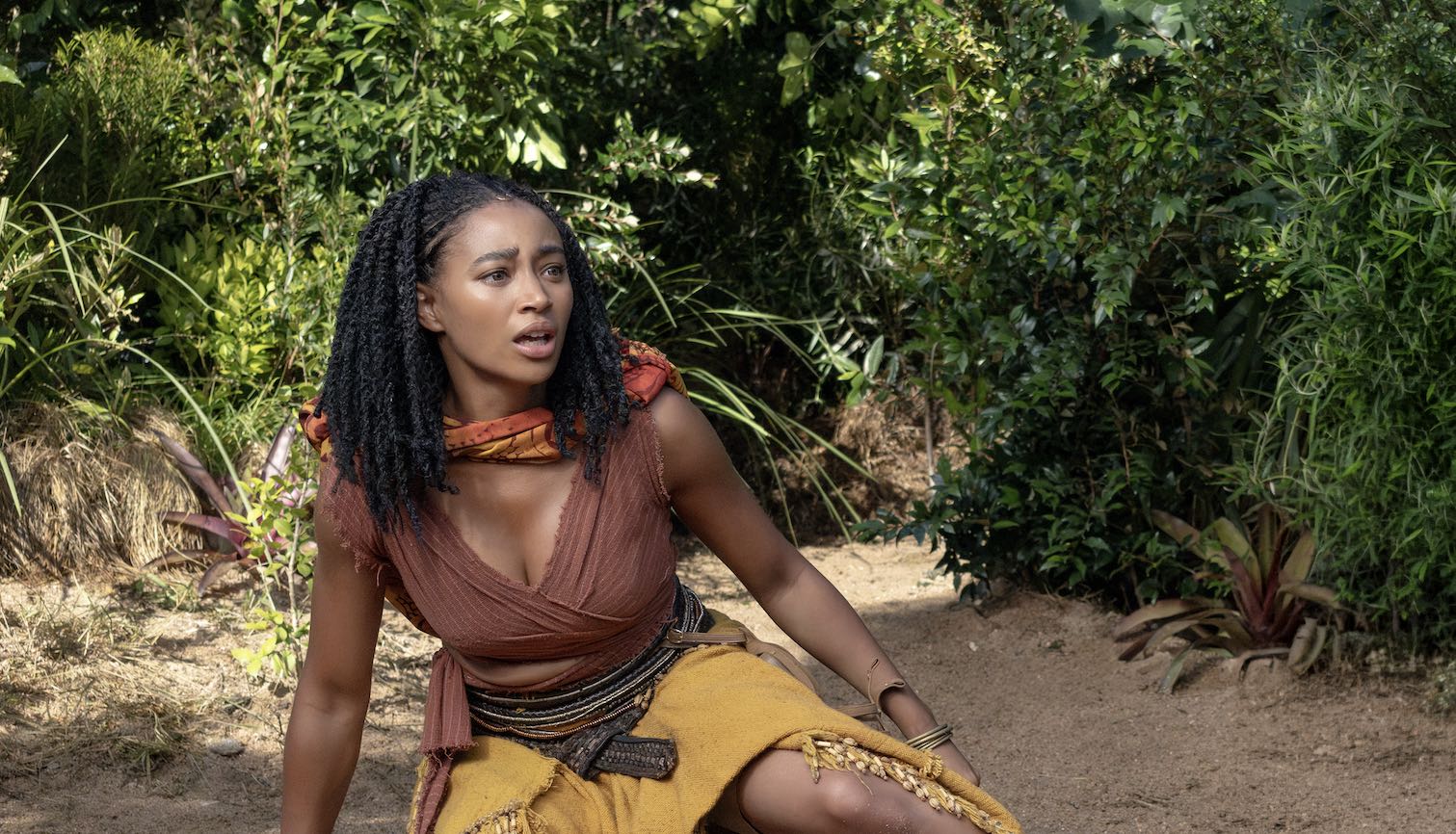

The fantasy film “Children of Blood and Bone” features a cast and crew from a wide, culturally fluid swath of the African diaspora.
In the epic fantasy world of Orïsha, a young woman goes on a quest to reclaim the magic that was violently stolen from her people. She and her brother ally with the daughter and son of the king to fight back against his brutal rule.
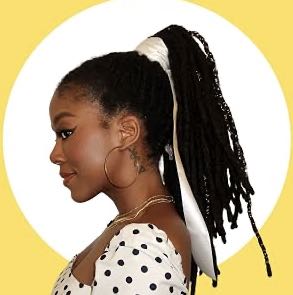
The movie is based on Tomi Adeyemi’s bestselling West African-inspired young adult fantasy novel. Adeyemi herself was born in the United States to Nigerian immigrant parents. Her father was a physician in Nigeria but found employment as a taxi driver while he waited to transfer his qualifications. Adeyemi’s mother worked as a cleaning woman.
Adeyemi grew up in Chicago and was not exposed to her Nigerian heritage or Yoruba ethnicity, as her parents decided not to teach her or her siblings their native tongue. She would later embrace her heritage as an adult, explaining in a Sydney Morning Herald interview, “I didn’t think too much of it and I think that is the kind of an experience of the first generation. You’re just trying to fit in. You don’t realize how cool your culture is until you get out of that phase of trying to fit in.” She would later describe one of her novels as a love letter to her culture.
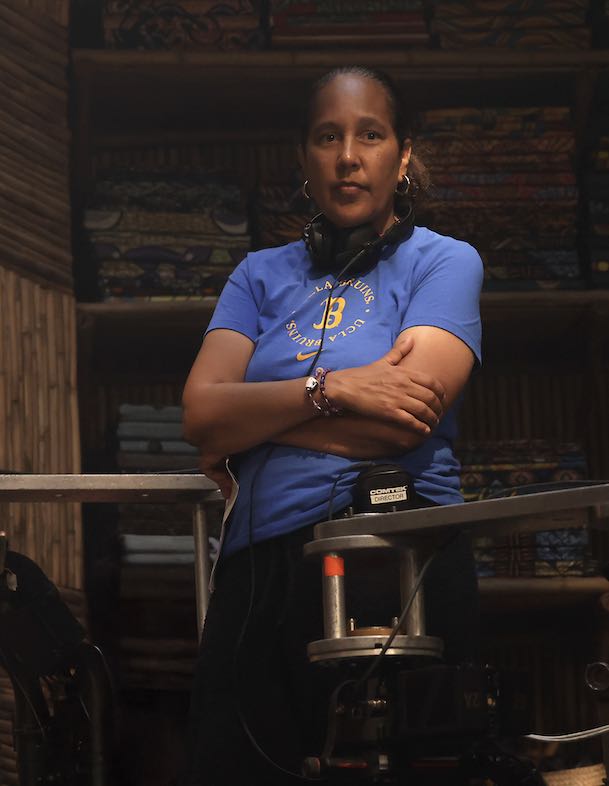
The movie was directed by Gina Prince-Bythewood, who also directed “Love & Basketball” and “The Woman King.” Prince-Blythewood was born in Chicago, Ill., U.S.A. and adopted by Bob Prince, a computer programmer, and Maria Prince, a nurse, when she was 3 weeks old. Her adoptive father is white and her adoptive mother is of Salvadoran and German descent. Prince-Bythewood found her birth mother but it was “not a positive experience.” Her birth mother, who is white, was a teenager when she gave her up for adoption because her family knew her child would be multiracial and they wanted her to have an abortion.
In a 2014 interview about her film “Beyond the Lights,” Prince-Bythewood says growing up “was tough, because we grew up in an all-white area, and not having any sort of reflected image really wrecked my self-esteem.
“As much love as they gave me, it’s tough standing out that much,” she continues. “Part of the issue was hair. They used a comb, and not a pick — so combing my hair was a hellish experience, and my hair looked crazy! (laughs) I had three ponytails — two on the side, and one on the top. I grew up hating my curls. I wanted straight hair like my sisters, who were both white. I just wanted to look different, and so I really wanted to put that in the film.”
On making “Children of Blood and Bone,” Prince-Blythewood says being able to film the movie in South Africa “is so incredible… I wanted the whole diaspora to be able to be a part of this.”
Production designer Hannah Beechler, who won an Oscar for her work on Marvel Studios’ “Black Panther,” says of “Children of Blood and Bone” that “We really wanted it to feel visceral for the audience.”
Charlese Antoinette Jones, the film’s costumer designer, says “It’s really an honor to design an African fantasy at this level.”
British Ghanaian Matiki Anoff, the film’s makeup designer and department head — who has spoken in the past about the difference in being a black makeup artist in the U.K. versus the U.S. — says her crew “took some inspiration from traditional Yoruba body painting.”
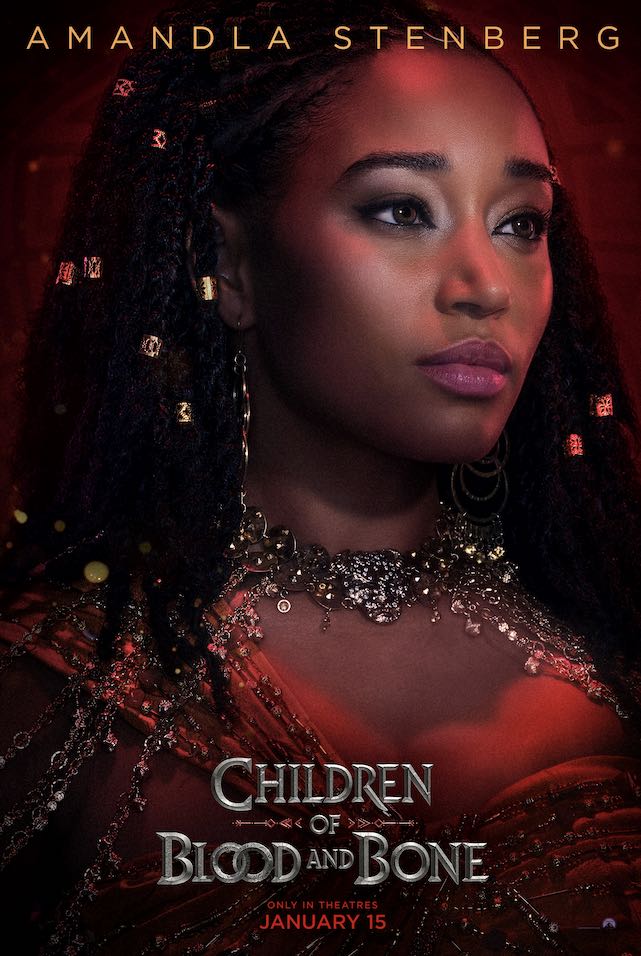
Amandla Stenberg, the daughter of an African American mother and Danish father, who starred in the Disney+ series “The Acolyte” as well as the 2012 film “The Hunger Games,” plays the role of “Amarie.” Stenberg has Greenlandic Inuit ancestry through her paternal grandmother.
Stenberg once told People Magazine that gender “can be pretty much whatever you want it to be.”
“I tend to believe that gender as we’ve set it up in current-day society doesn’t actually exist. I’ve said before that I’m comfortable with using the pronouns ‘they’ or ‘them’ alongside ‘she’ and ‘her’ just because that’s a conversation that’s important to me.”
Stenberg says they don’t “necessarily always subscribe to female pronouns just because I don’t think that pronouns are necessarily very meaningful.”
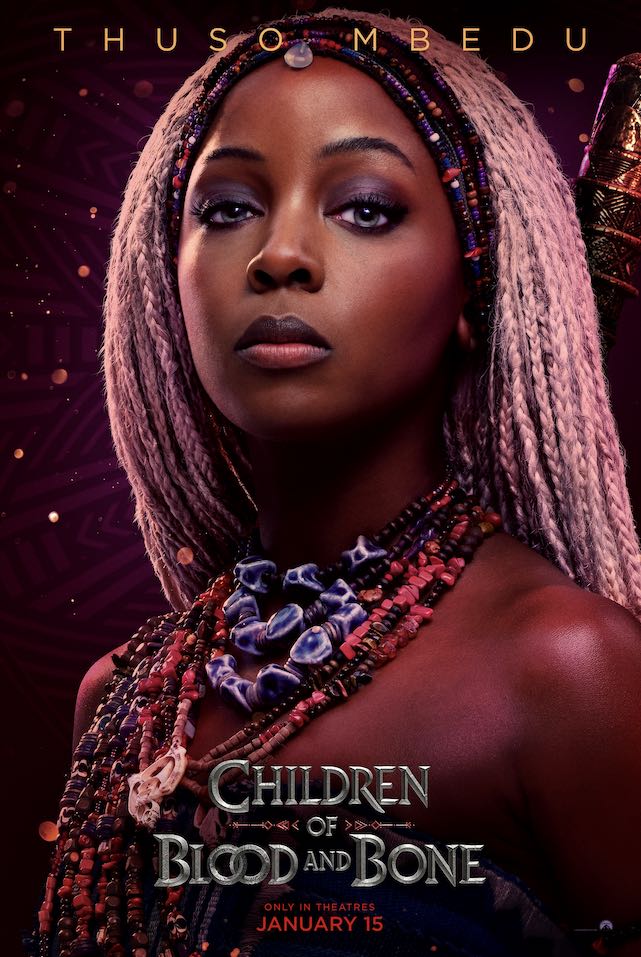
Thuso Mbedu, who plays “Zelie,” was born in KwaZulu-Natal to Zulu mother and a father of Sotho and xhosa descent. She was raised by her grandmother after both her parent died when she was young.
In an interview with Glamour South Africa about her role in the 2023 movie “The Woman King” — also directed by Prince-Bythewood, Mbedu says: “I grew up as someone who flies solo and built a wall of protection. So, I generally didn’t know how to be around people.”
On being in “Children of Blood and Bone,” Mbedu says she is “super excited about being a part of something as big as this.”
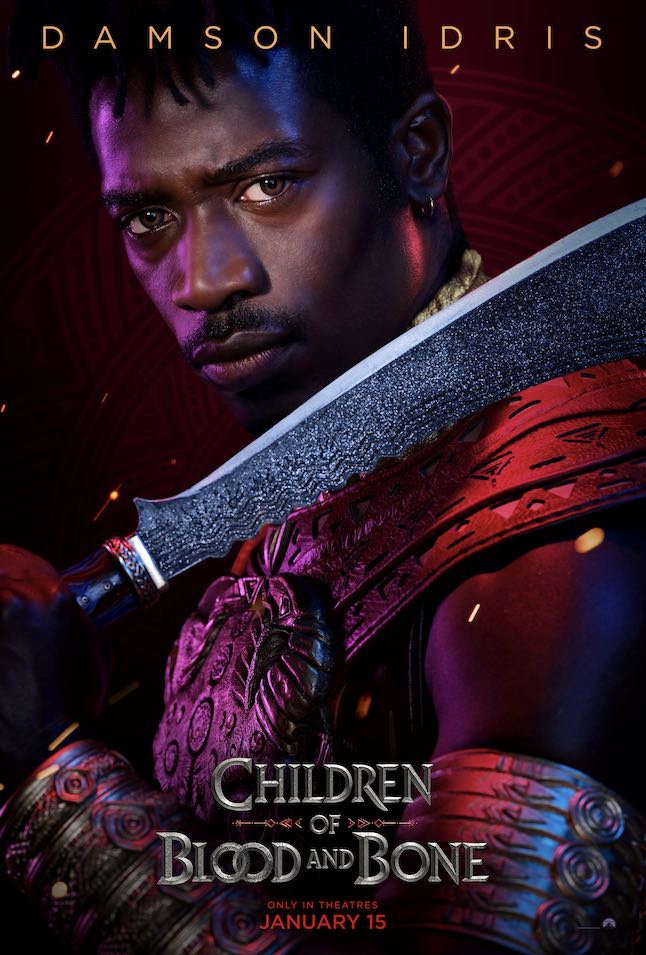
Damson Idris, who plays “Inan” and starred alongside Brad Pitt in the Joseph Kisinski-directed film “F1,” was born in London, England to a Nigerian family of Yoruba descent.
According to blavity.com: “While he isn’t Nigerian-born, his heritage is integral to who he is: a bicultural man navigating two worlds with authenticity.”
Idris says about filming “Children of Blood and Bone” that “we’re right there in these locations, while they had this beautiful pink river.”
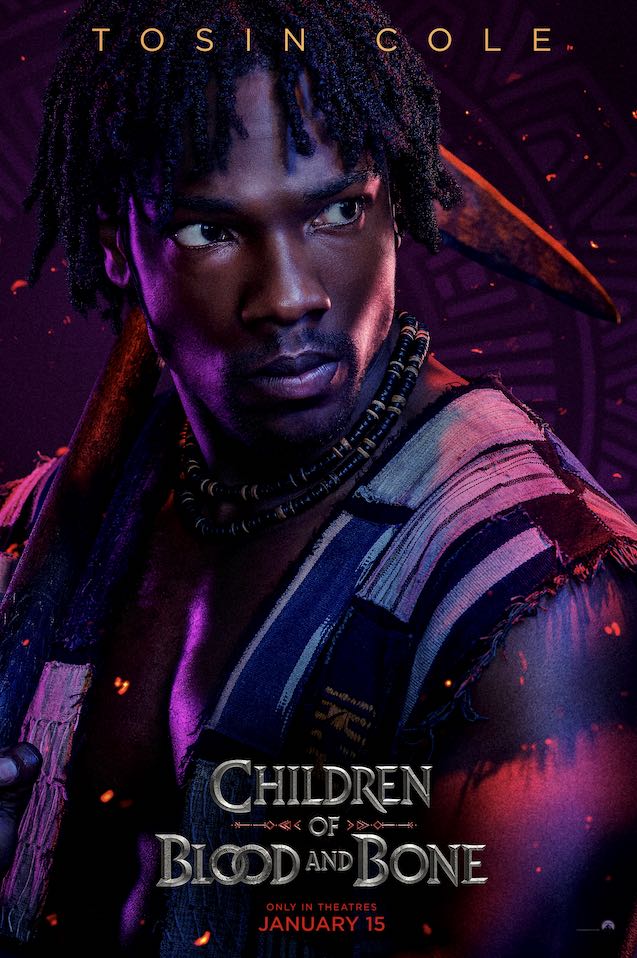
Adult Third Culture Kid Tosin Cole, who plays “Tzain,” was born in the United States to Nigerian parents and spent his early years in New York City, after which his family moved to London.
Speaking to Deadline about his upbringing, Cole says: “I want to do what I want to do and how I want to do it. I’m not here to pacify your thing, I’m here to get comfortable with what I’m doing. You don’t like it, you got to respect it. Do you know what I mean? And it’s like that’s how we should push forward, because other people are allowed to do it and they don’t get no stick for it. So why is it when we do it…”
Cynthia Erivo, star of the “Wicked” movies who plays “Admiral Kaea”, was born in England to Nigerian immigrant parents and raised by her mother. Erivo has seven Igbo Nigerian names: Cynthia Chinasaokwu Onyedinmanasu Amarachukwu Owezuke Echimino Erivo.
In an August 2018 Facebook post, Erivo, who plays “Admiral Kaea” in “Children of Blood and Bone,” wrote: “I am Nigerian. I am a woman. I am a Queen. I am Everything I need and more, and woman young and vintage, so are you.”
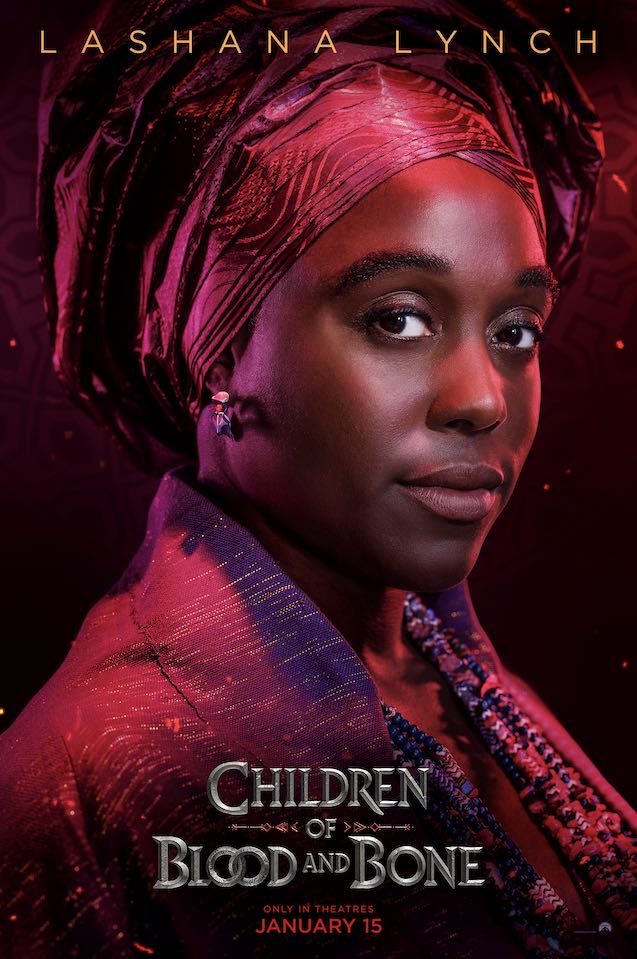
British-Jamaican actor Lashana Lynch, who plays “Jumoke” and starred in Disney/Marvel’s “The Marvels,” says her Jamaican grandmother made her who she is today: “She taught me from an old fashioned perspective how to be a lady, how to conduct yourself around adults, how to have respect for yourself and for others and how to represent yourself as the best young black woman you can be.”
“For me she was the epitome of greatness,” Lynch said of her grandmother in an interview with afridiziak.com. “Of coming to this country from Jamaica and deciding ‘I’m going to buy a house, raise my children, have a good life and make things work for me.’ She was like a second mum to me and I don’t feel disrespectful to my mum saying that, because she was from the other family side and she was like a second mum to her as well.
“She taught me my history and my potential and I think it’s vital that there’s someone who can take you on your journey from a historical perspective. She’s not here today but her spirituality, her beliefs, her sayings like “Get cracking” in the morning, are all things that I practice today and it’s because of her that I can say I’m the woman I am today,” Lynch continues.
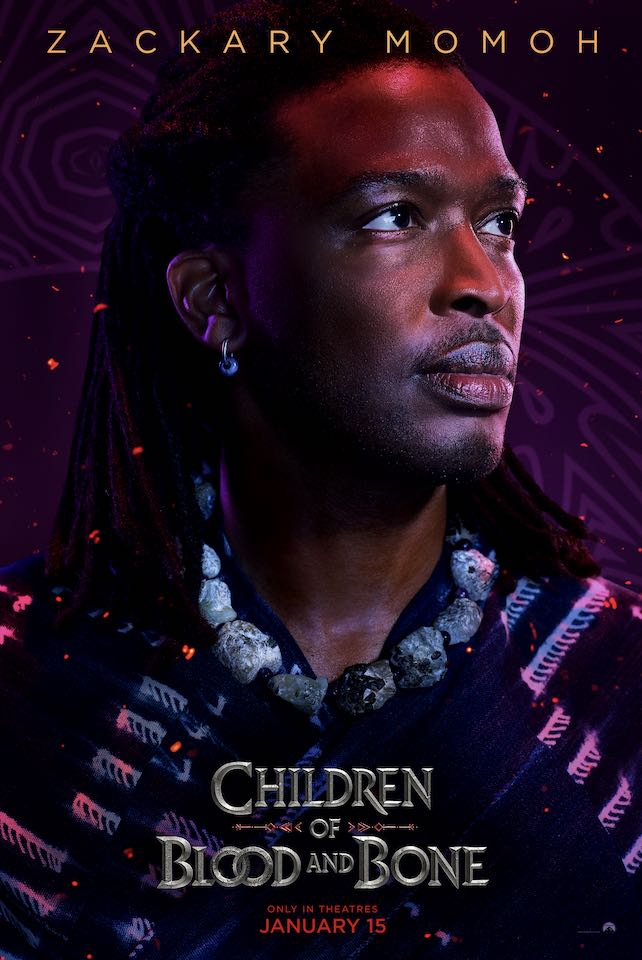
Adult Cross-Cultural Kid Zackary Momoh, who was born in England of Nigerian parents, tells theitalianreve.com that when he was working on the Netflix TV series “Seven Seconds,” his character Seth Butler “has ways that are different from mine, the way he holds himself and I kept finding him trickling. I stayed in New York for a while and I have an English accent but obviously my character has a New Jersey and New York accent so I found myself going to the store, ‘Oh can I get this this and this…’ but by the time I got at the end of ‘Seven’ I was like, ‘Yo, lemme get those too, I’mma have that too and yeah just a coffee as well.’ And the back of your mind is just, like, ‘Ugh.’
“I found that happening as well when I was talking to people I’d start naturally with my accent but, by the end of the conversation, I’m like: ‘tell me yo buddy,'” he continues.
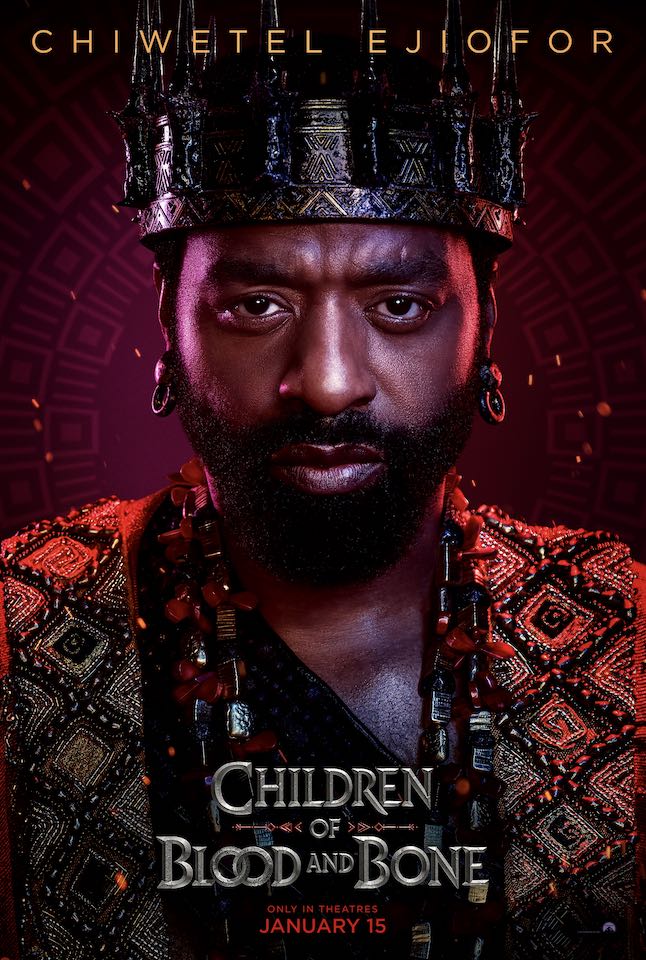
London-born Chiwetel Ejiofor, who plays “King Saran,” told a Nigerian news outlet in 2014 that he was “proud of being Nigerian.”
“To me, it was a surprising reaction that people then concluded that I didn’t identify as Nigerian [when he was previously asked where he was from during a press junket for the movie “Twelve Years a Slave”]. Of course, I am Nigerian-British, but if they ask me where I was born, I can’t say Enugu, because I wasn’t born in Enugu, but, it doesn’t mean that I don’t identify as Nigerian,” he says.
“Children of Blood and Bone” premieres in theaters on January 15, 2027.
Check out the trailer below.