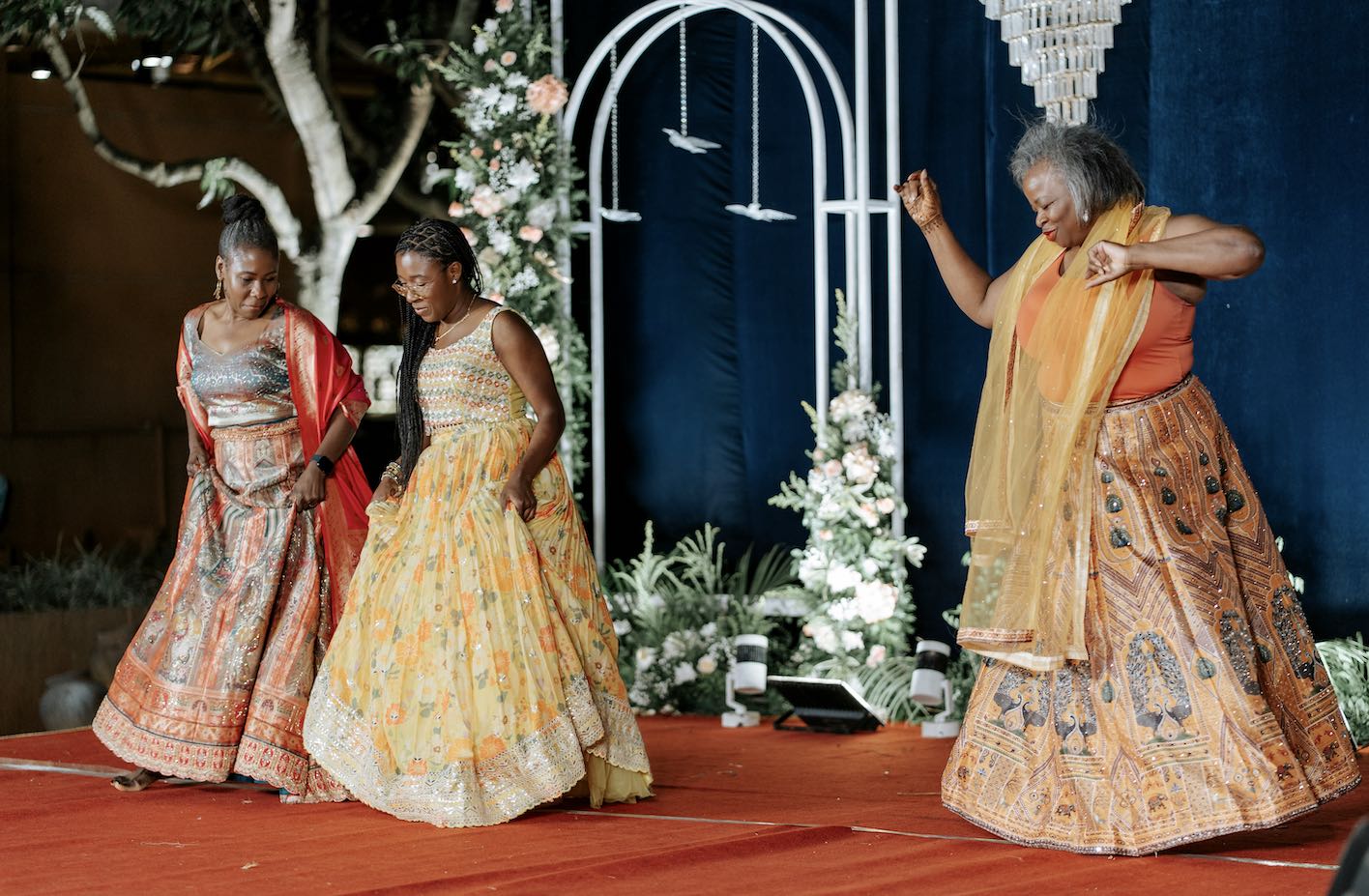
In a world filled with many kinds of relationships, the most sacred relationship — outside the relationship one has with oneself — is the relationship between a man and a woman formed through marriage.
For many of us who grow up between cultures — Third Culture Kids (TCKs), missionary families, military families, global nomads — relationships often feel confusing. We inherit one worldview at home and observe another outside. Marriage, especially, becomes a question mark: Is it freedom or confinement? Choice or duty? Romance or responsibility?
When cultural anchors are unclear, relationships can feel fragile — negotiated rather than rooted. This is where ancient frameworks become relevant, not as rigid traditions, but as maps for meaning in an increasingly fluid world.
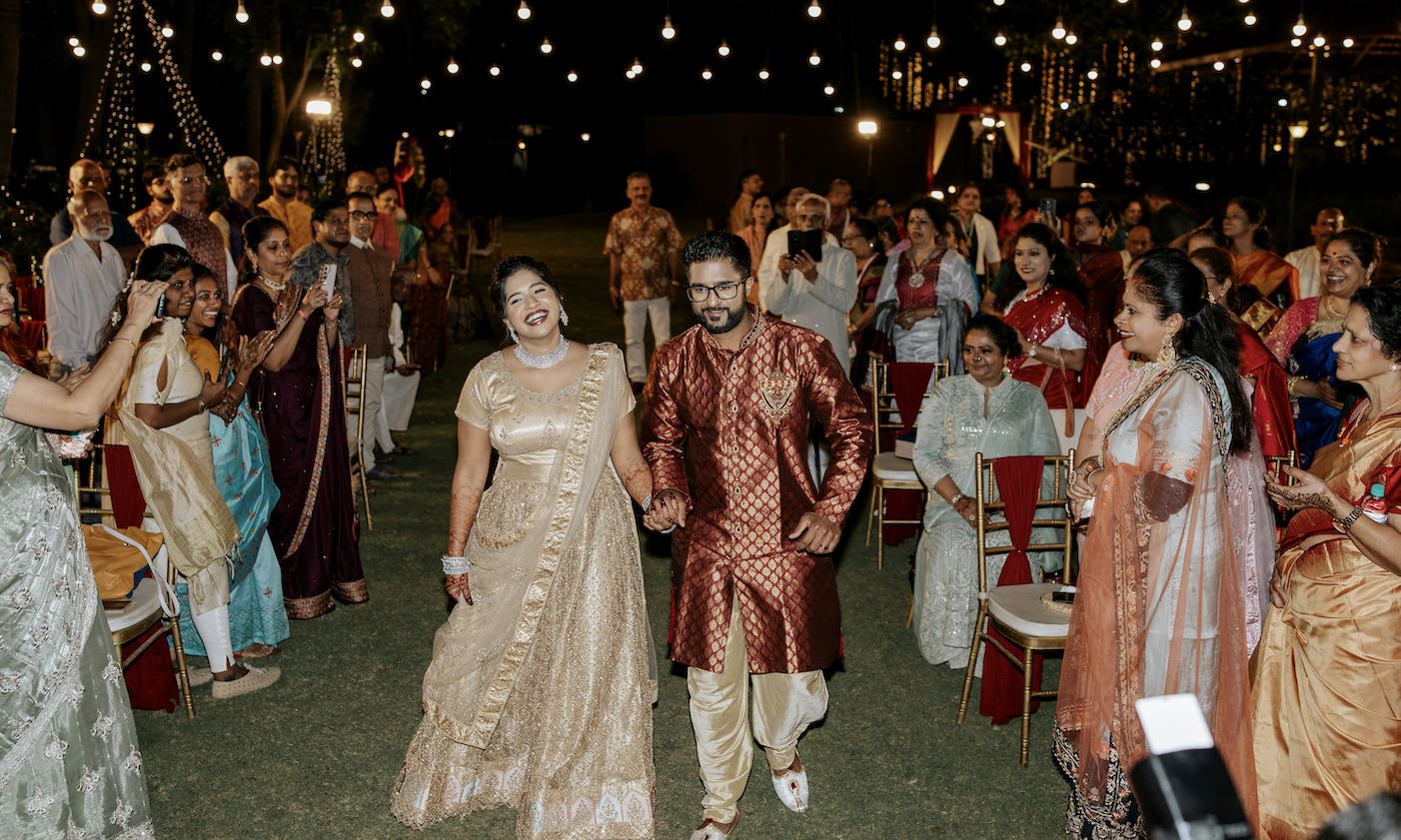
The man-woman relationship formed through marriage is sacred not merely because it is romantic or socially endorsed, but because it is creative in the truest sense of the word. Through marriage, two individuals are invited to participate in creation itself — of life, continuity, culture and responsibility. In the Bhaaratiya tradition, creation is the role of the Creator. When a man and a woman enter marriage, they are entrusted with a fragment of that divine responsibility.
In many modern narratives, marital success is measured by personal happiness derived from the other. When that happiness fades, the relationship is questioned. In the Bhaaratiya framework, happiness is not the first requirement — it is a by-product of shared responsibility, endurance, and inner maturity.
Marriage refines ego, exposes blind spots and promotes growth — not away from oneself, but deeper into oneself through the mirror of another human being. Parenthood further refines this process through sacrifice, adjustment and expanded responsibility.
This understanding of relationship is deeply embedded in the lifestyle of Bhaaratam — the original name of the land now widely called India. I intentionally use the word Bhaaratam because it carries meaning: Bhaayaam ramate iti Bhaaratam — that (land) which revels in light, knowledge and consciousness. Names matter. They carry memory and worldview.
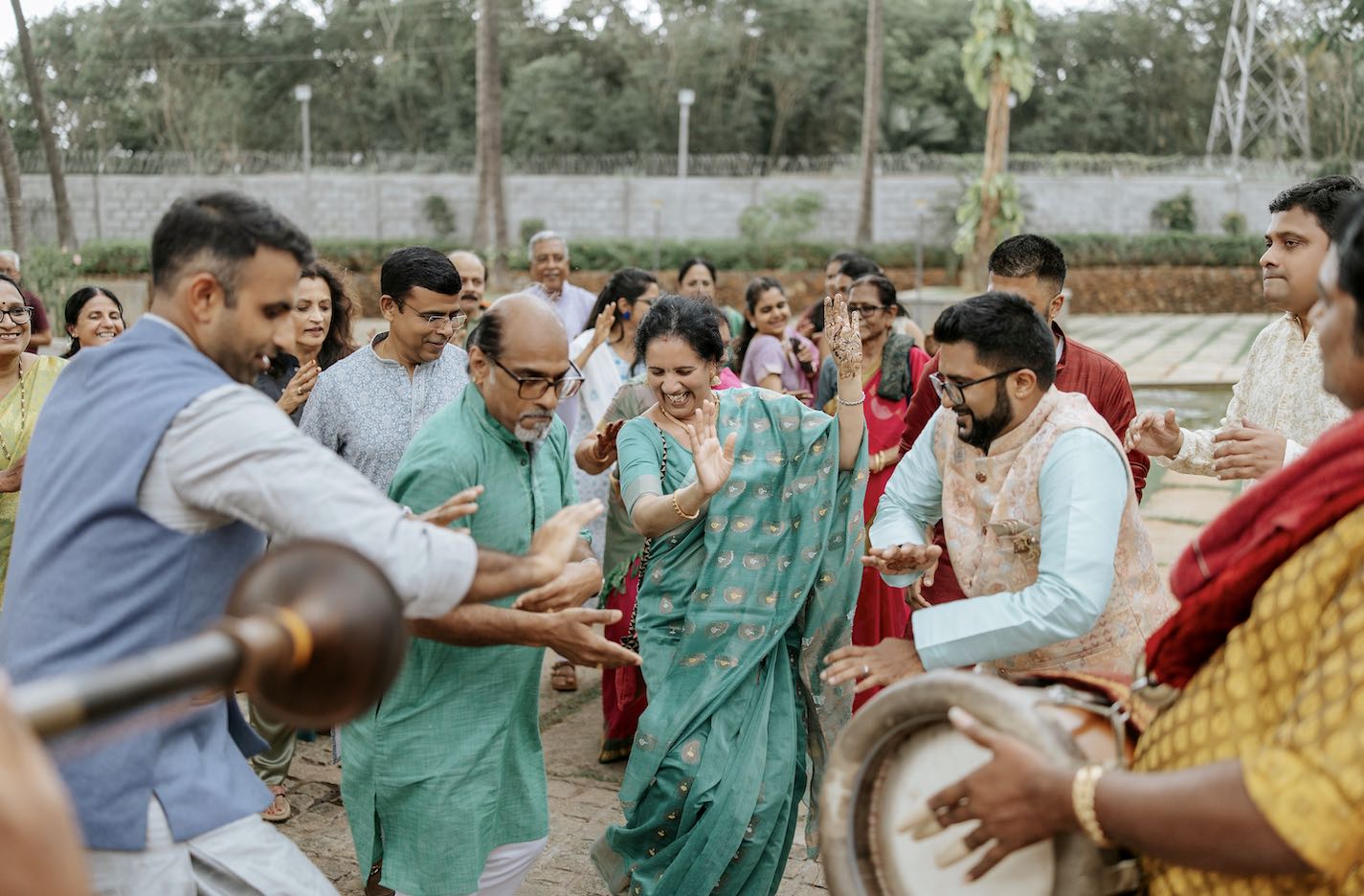
Marriage and the Grihastha Responsibility
In Bhaaratam, marriage is not an isolated personal choice; it is a social and spiritual responsibility. The married couple enters Grihastha-aashrama — the householder stage of life.
This stage is considered the backbone of society, because the householder supports not only his family but also:
- Brahmachaaris — students who are learning and not yet earning
- Sannyaasis — renunciates who have stepped away from material life
The married couple becomes the stabilizing force that allows other life paths to exist.
Contrary to popular misconceptions, this structure does not suppress women. Bhaaratiya language itself reveals a very different truth.
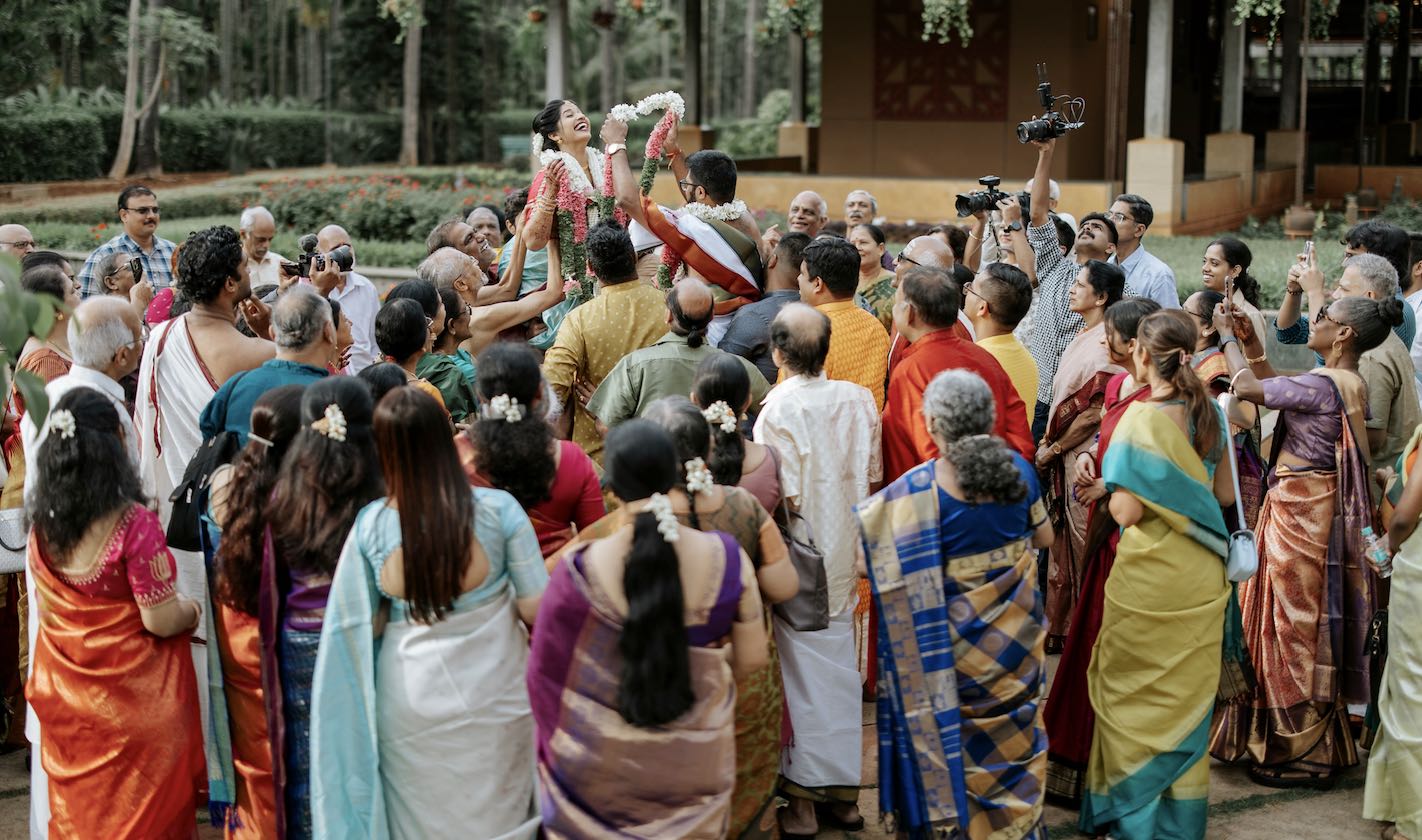
The Role of Women
A wife is not simply a “wife.” She is Griha Lakshmi — the prosperity of the home; Ardhaangini — half of the being; Saha-Dharma-Chaariṇi — the one who walks the path of Dharma (righteous duty) alongside the man. Marriage, therefore, is not about dominance but interdependence, not ownership but companionship in growth and responsibility.
When duty is misunderstood as oppression, ancient systems are easily dismissed as causing inequality. In Bhaaratam, Dharma is not imposed — it is entrusted. The woman is not removed from power; she is placed at the center of continuity.
Calling her Griha Lakshmi is not poetic symbolism; it is social acknowledgment. Mental stability, ethical grounding and cultural transmission flow through her presence. She is rightly called the lamp of the house, guiding the family forward.
(Tune in tomorrow to Part 2, where our author takes us into the rituals practiced at her daughter’s wedding.)