


A controversial religious freedom act was passed last week in Indiana and critics of the legislation argue that businesses can now refuse service to and discriminate against people based upon their sexual orientation.
The legislation, as well as a similar law passed in Arkansas, have created a firestorm of criticism across the country and has led to many prominent celebrities to speak out against it.
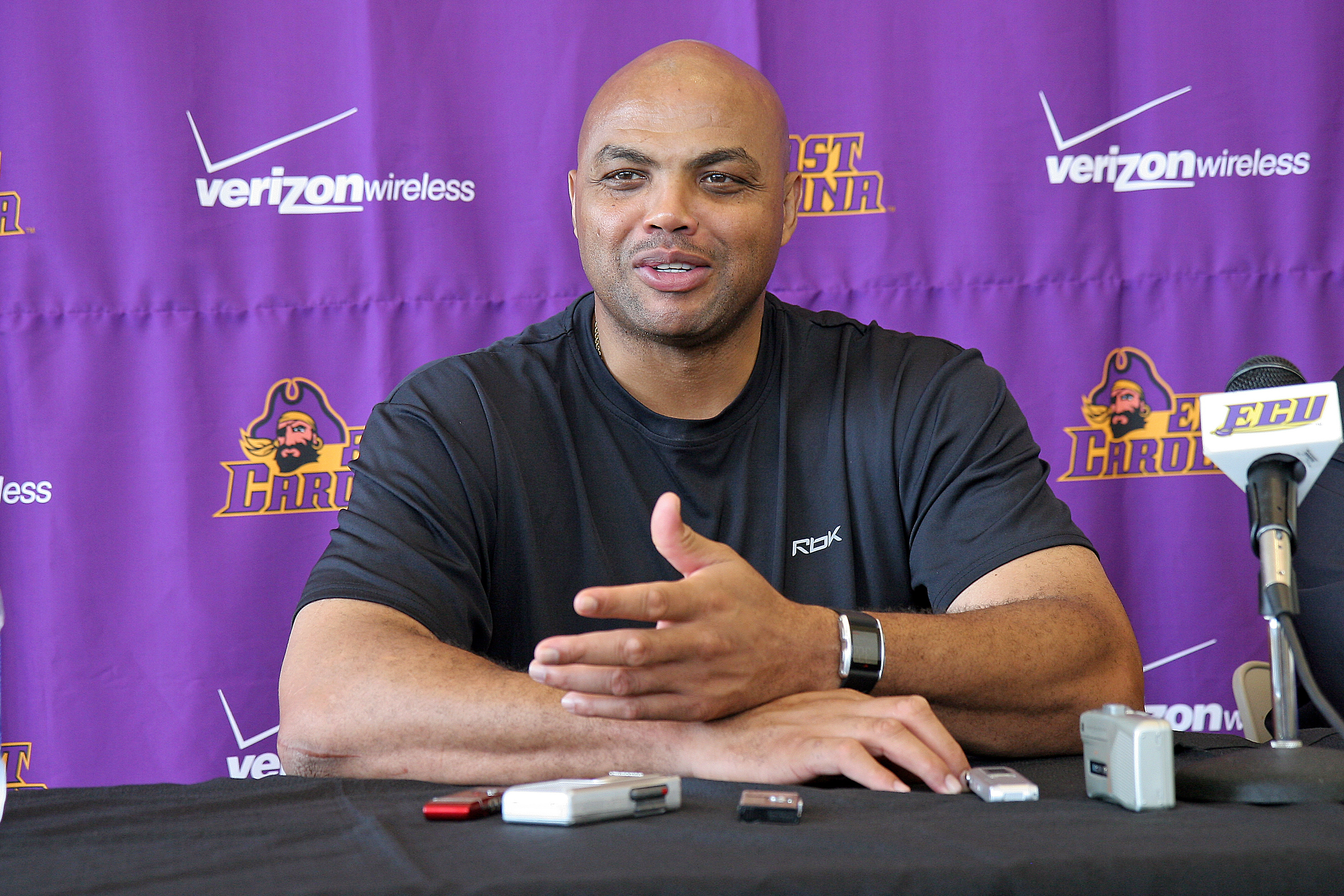
Celebrities ranging from Charles Barkley to George Takei and Miley Cyrus have called for this year’s men’s Final Four to be relocated from Lucas Oil Stadium in Indianapolis. Even the University of Southern California’s Athletic Director, Pat Haden, has decided to boycott the College Football Playoff’s selection committee meeting in Indianapolis in protest of the new law because he is “the proud father of a gay son.”

Sporting events have had success boycotting controversial legislation in the past. In 1993, the Super Bowl, which was scheduled to be played in Sun Devil Stadium in Tempe, Arizona, was relocated to the Rose Bowl in Pasadena, California after the state refused to acknowledge Martin Luther King, Jr. Day. The state would eventually approve the holiday and was rewarded with the 1996 Super Bowl, which was held in Tempe.
Possibly the most famous sports boycott of all time was the United States’ boycott of the 1980 Olympics held in Moscow, Russia. The U.S. and West Germany refused to attend the Olympics over disapproval over the Soviet Union’s invasion of Afghanistan during the previous summer. The boycott led to the Soviet Union and its allies boycotting the 1984 Olympics which were held in Los Angeles, California.




Love this article!! I am a man of sports and believe in equality for all! I think boycotting is a great idea! It’s also cool that celebrities are using their voice including the athletic director.
I love seeing athletes being able to use their fame in ways to bring around real change. People look up to these guys and respect their beliefs so it’s nice to know they have good moral standards.