When Karissa Valencia first saw Irene Bedard, the speaking voice in Disney’s “Pocahontas,” it made her “whole day, year, week.”
“I couldn’t believe she was there,” Valencia, the showrunner of the Netflix kids’ cartoon series “Spirit Rangers,” says in an episode of the “We Disrupt This Broadcast” podcast when seeing Bedard at age 8 at her tribe’s powwow.
Bedard “looked just like her character,” Valencia says. “She looked like my family. It was such an important moment as a kid to realize just how important representation matters.”
Valencia, whose family is half Chumash, half Mexican, says Indigenous representation in Hollywood and especially animation “just hasn’t been present at all or accurate.”
While “Pocahontas … was not accurate in any way, at least knowing that person who voiced her was Indigenous, gave me hope that Indigenous people are in Hollywood,” Valencia says. “We just need more folks behind the screen.”
That is really what motivated Valencia to get herself into writing, get behind the camera “and create those stories that uplift our voices and our stories.”
She looked like my family. It was such an important moment as a kid to realize just how important representation matters.
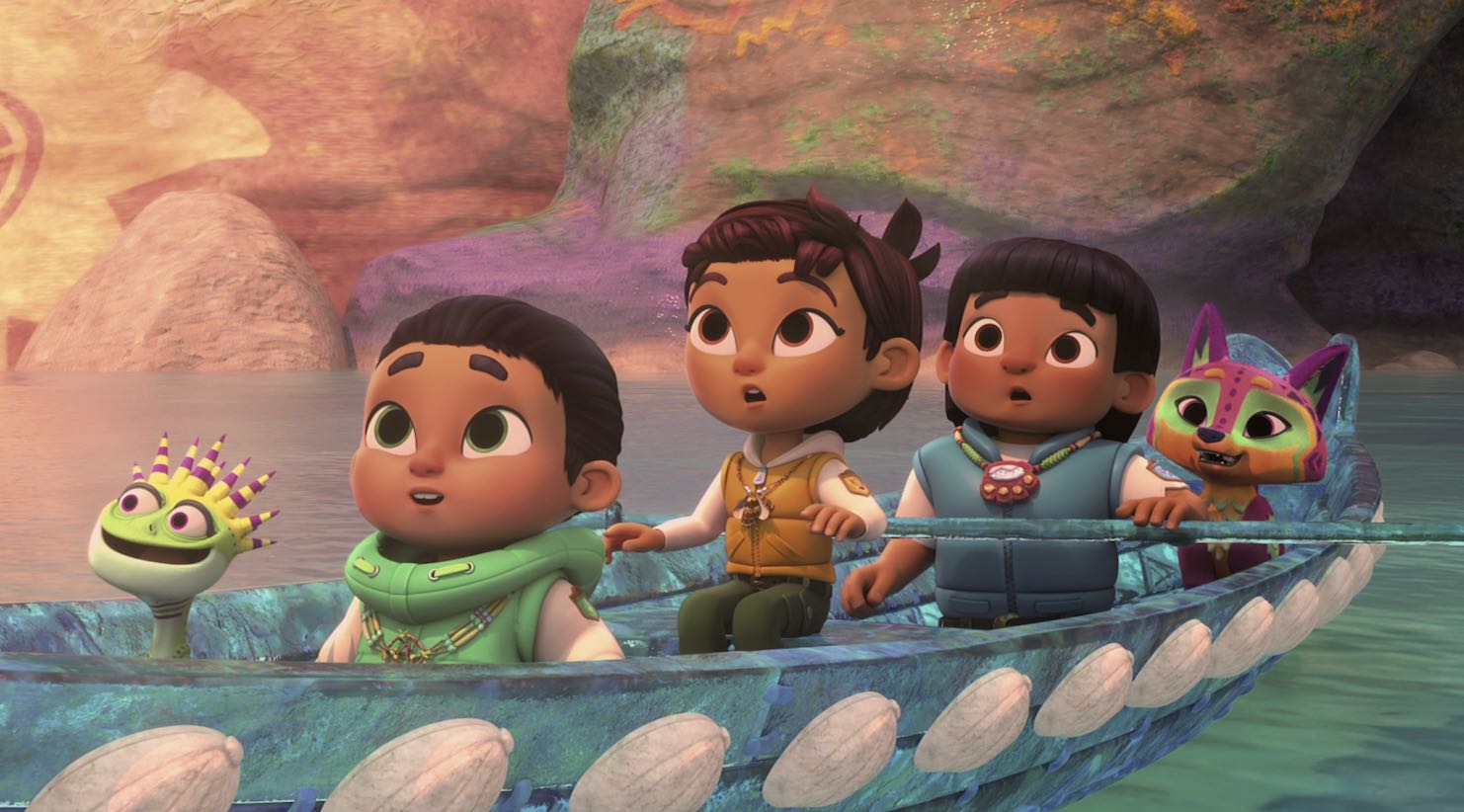
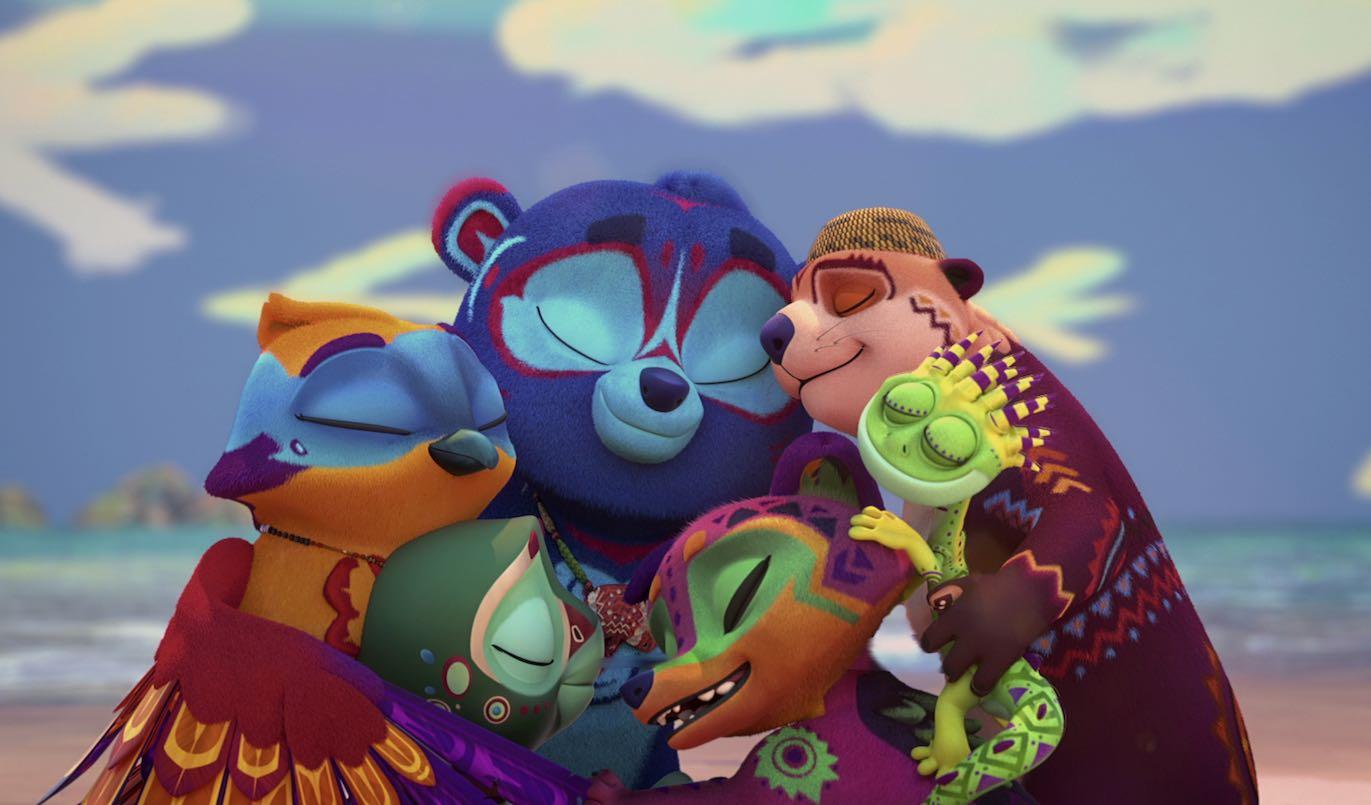
In creating “Spirit Rangers,” Valencia says she had a “burning fire of wanting to do right by my community and give us Indigenous heroes in a modern space.”
That said, she didn’t pitch the show to Netflix as an Indigenous one.
“I was like, this is your next superhero fantasy adventure that all kids are going to love,” Valencia says. “Because that was something I wanted to lean into is like, while this is a show for my community and made by my community, we also want other non-Native folks to see us as heroes too or want to see [the characters of] Cody, Summer and Eddie and be their friend. So, it was such a cool way to balance approaching the story in that way.”
That balance helped alleviate some of the “pressure” Valencia says she was feeling.
“It had been so long since there had been Indigenous folks in animation,” she says. “It was us and ‘Molly of Denali,’ which is also another very cute show.”
FAMILY STORIES
Valencia also incorporated many of the stories she remembers being told as a youth.
“It’s like, all my tribal stories are about how the dolphins are our siblings or how the king of the ocean is the swordfish god,” she says. “We just have deep lore that is connected with nature. And I wanted to celebrate that in a modern space and give myself permission to adapt those folk tales too.”
The “best part ever” for her was being able to pull from her own tribe in California, U.S.A., according to Valencia.
“I think we’re a tiny California tribe, we’re in Santa Barbara County, and I think that so far there’s been a lot of representation of Native folks in maybe the Arctic region or the Plains area,” she says. “So it was really cool to bring some California Native representation to screen.”
“Spirit Rangers” features lots of rock art and ocean stories.
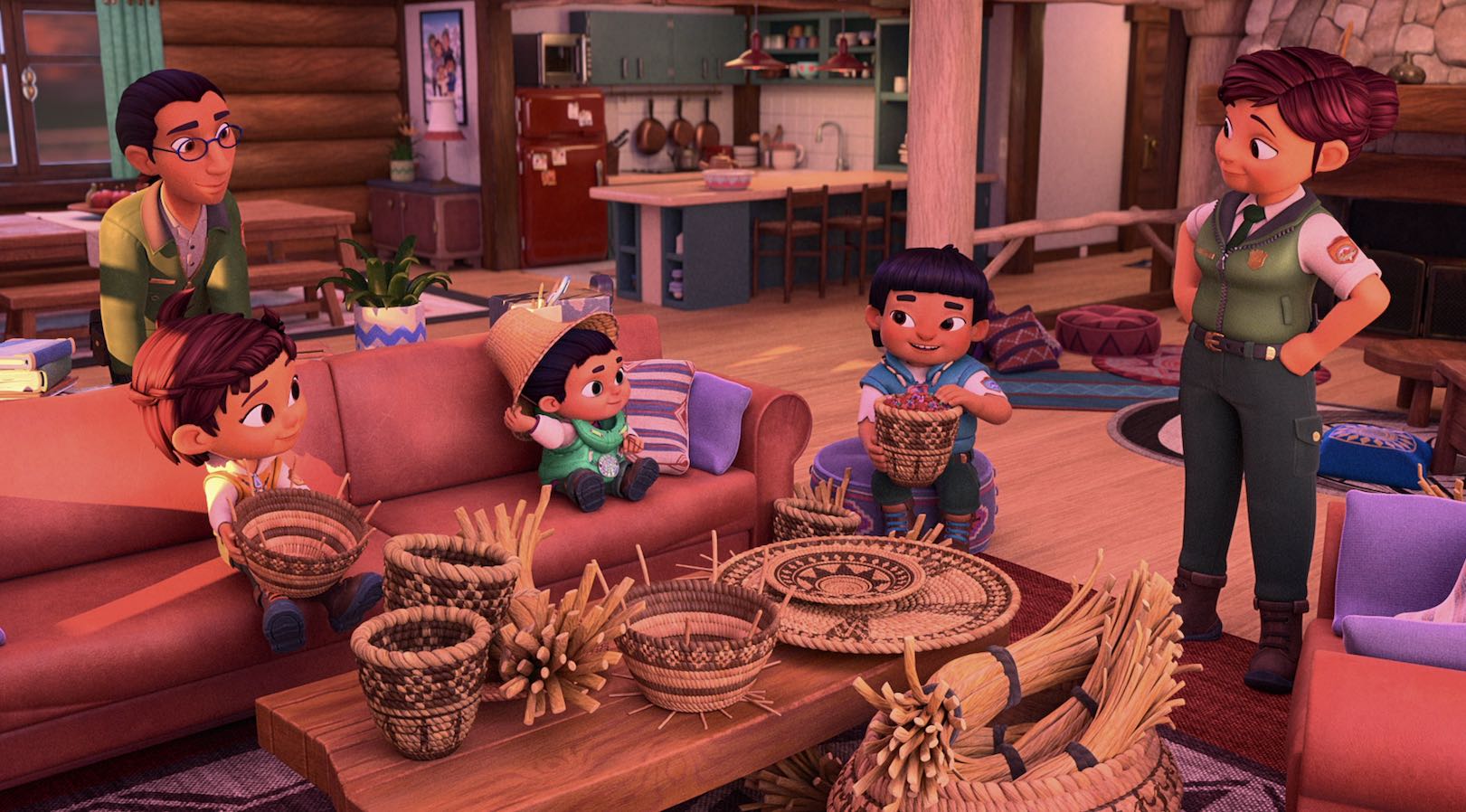
“I think there’s this misconception that Native people, we all lived in teepees, but our houses were not,” Valencia says. “They were like dome shaped, called ‘aps.”
Consequently, the treehouse in the show was designed to reflect that.
The show also features voices in the background of her own family who are singing, chanting and speaking the tribal language.
“It is very Chumash up in there in that show, which I just am so proud of,” she says. “It just makes it very distinctly Californian.”
We just have deep lore that is connected with nature. And I wanted to celebrate that in a modern space and give myself permission to adapt those folk tales too.
Beyond featuring her family members as background voices, a major point of pride for Valencia was being able to speak to her family and members of the Chumash tribe on how to frame or translate this folklore into kids’ animation.
“I feel like a lot of times, native folks have just been left out of that conversation when making native content,” she says. “I’m very proud of how we indigenized our production, which was bringing in tribes from the get-go. Like once ‘Spirit Rangers’ got greenlit, I really wanted to base the tribe or the family of characters on my tribe.”
Valencia says she was “nervous” when she first spoke with the elders in her tribe.
“We had a big meeting with our elders council and the culture committee, and I went to them and said, ‘This is what I want to do. Would you support me? Would you be able to provide language and art? And this is how I think we can get our culture stories out there,'” she says.
The elders were “thrilled” about the idea, according to Valencia.
“They were so excited for this opportunity and said yes,” she says. “And it was very emotional and they’ve been with me from that very first day of work. They were on board and wanting to help.”

‘MULTI-TRIBAL’
Additionally, Valencia and her team wanted to make the family “multi-tribal.”
“So we decided to bring in another tribe,” she says, adding that she asked her writers if anybody would want to go to their own tribes and ask the same thing.
One of them, Joey Clift, who also was a consulting producer, went home to the Cowlitz Indian Tribe and had a seven-hour meeting with his elders, according to Valencia.
“And they also said yes, which we were just so thrilled,” she says.
I feel like a lot of times, native folks have just been left out of that conversation when making native content.
After that, all of the writers wound up bringing in stories from their own regions and tribes, having also asked elders or sought permission from their tribes to tell their stories.
“It was a very beautiful process and just so indigenous in the way that it is so community-forward,” she says.
“Spirit Rangers” had more than 100 Indigenous people who worked on many aspects of the show, making it “a good example of this allyship that needed to happen to get a new wave of Indigenous talent in, including myself,” according to Valencia.
For Clift, who also was interviewed on the podcast, working on “Spirit Rangers” wasn’t just a career highlight, “it was a life highlight to get to tell Native stories in this way.”
“Karissa and I, we refer to it as like, there’s always a little bit of Native magic sprinkled over the show, and a lot of beautiful serendipity in us, just being able to share space together for several years,” he says. The writers’ room was unique, according to Clift, in that “you don’t have to speak for the many tribes that exist in the United States as the one person in the room. You’re not expected to be the quote-unquote ‘Native’ voice because there are so many around you.”