



European basketball is unlike anything most U.S. fans have experienced, where fans become just as much a part of the game as the players themselves.
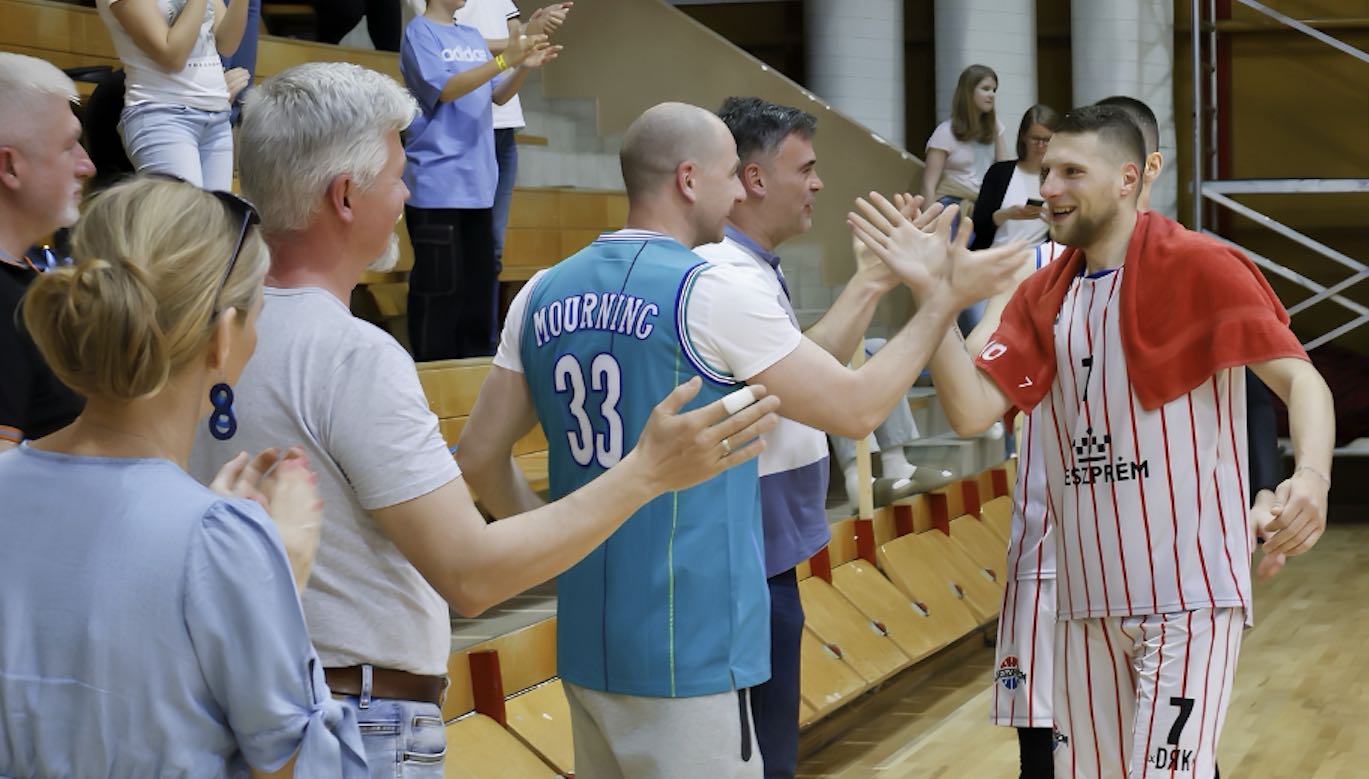
In the United States, basketball arenas often hold between 18,000 and 20,000 fans. In the EuroLeague, top teams can reach similar numbers, but many arenas seat fewer than 10,000. Still, those fans can create an atmosphere that feels just as loud, intense and overwhelming as a packed NBA arena.
The difference goes beyond numbers. It comes down to culture.
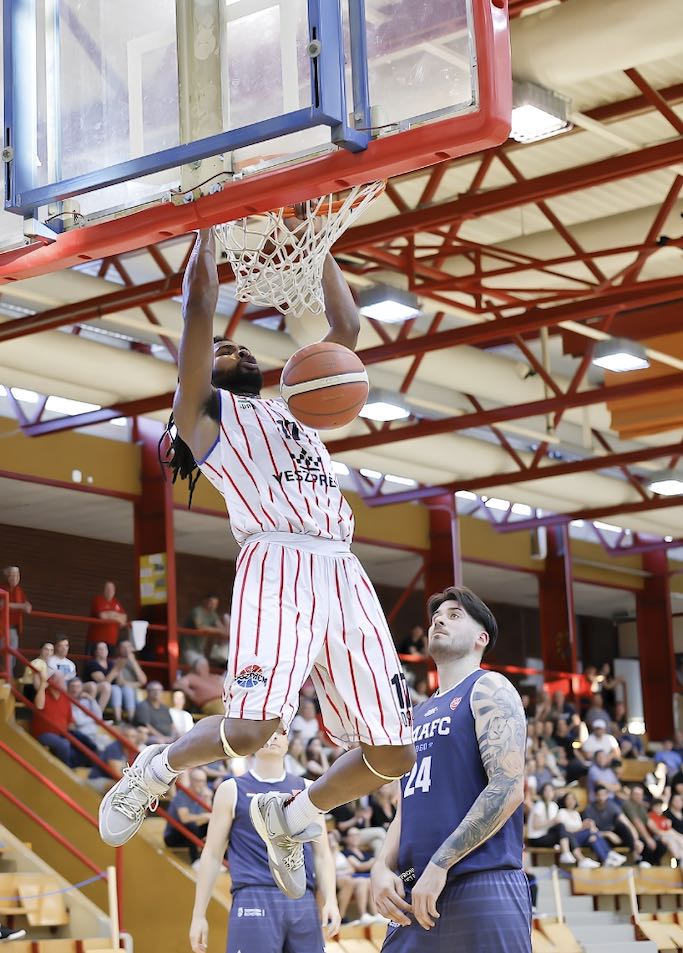
For Marlon Moore Jr., a native of Cleveland, Ohio, U.S.A., the difference was immediate when he arrived in Hungary.
“Playing in front of 5,000 fans made me realize that you can be surrounded by people and still focus on one thing,” Moore says. “Sometimes I feel like I’m in an empty gym, but when I hear the crowd roar, it gives me a burst of energy. It puts you in a mindset where you feel like you can run through a wall.”
Adjusting off the court, however, came with its own challenges.
“The biggest difference was the language barrier,” Moore says. “Going to the grocery store, trying to read things, traveling, I didn’t always know how to navigate or communicate the way I wanted to.”
On the court, though, the transition didn’t take long.
His first game overseas was nothing like what he experienced back home.
“My first game in Hungary was different,” Moore says. “I got signed in the middle of the season, and we were playing the second team in the league. They expected to beat us like they always did, but I ended up scoring 16 points with about nine rebounds. We won, and everyone from the team to the front office was shocked.”
Sometimes I feel like I’m in an empty gym, but when I hear the crowd roar, it gives me a burst of energy. It puts you in a mindset where you feel like you can run through a wall.
In U.S. basketball, the fan experience is often built around entertainment. Music, in-game promotions, halftime shows and social media all play a role in shaping the atmosphere. Fans are engaged, but they are also spectators. Many moments are filtered through phones, recorded and posted in real time. The energy rises and falls with the action on the court.
Overseas, the experience can feel entirely different.
In countries across Europe, basketball crowds mirror the passion more commonly associated with soccer. Drums echo through the arena. Flags wave from the stands. Chants roll from section to section, and sometimes even flames are seen throughout the arena.
Never stopping, never fading, even during timeouts.
“Games in the United States are more chill,” Moore says. “A lot of people go to show off how they’re living. Overseas, people show their passion for their city, for their country. They take pride in everything when it comes to sports. In the U.S., it can feel like people care more about how they look at the game than cheering for the team.”
This contrast reflects a larger shift in the global game.
Basketball is no longer centered in one country. International players have become among the most dominant figures in the sport, and the growth of the game around the world has drawn more attention to the environments in which it is played.
GLOBAL RISE OF BASKETBALL
Antoine Hudson, a basketball operations coaching assistant for the Greensboro Swarm, believes basketball’s global rise can be traced back to the 1992 Olympics.
“The growth of the game really started with the 1992 Olympics,” Hudson said. “It’s been marketed globally ever since, and more stars have emerged worldwide, creating the shared passion we see today.”
“When you look at leagues like the NBA and the EuroLeague, that growth feels natural,” Hudson continues. “The NBA is the pinnacle, but if players aren’t there, the EuroLeague is the next best option overseas. With so much talent coming from the United States and around the world, players who don’t make NBA rosters often end up in Europe. That influx of talent raises the level of competition and ultimately makes both leagues better.”
For many players, that global growth has also created new opportunities beyond the NBA.
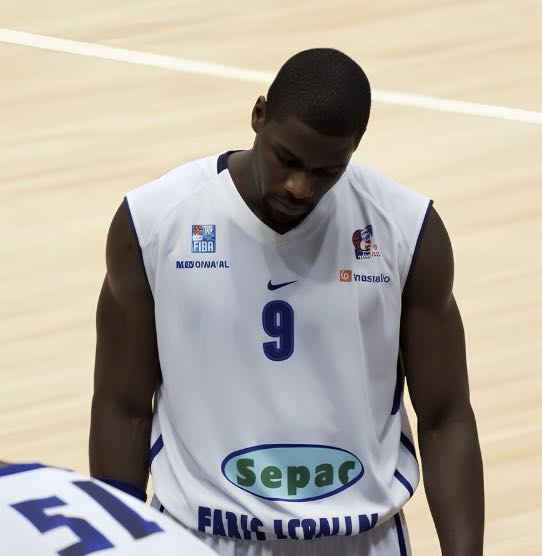
“After being drafted, I played two years with the Milwaukee Bucks, but that experience didn’t give me what I thought it would,” said David Noel, a former NBA player who spent two seasons with the Milwaukee Bucks before continuing his career with several European clubs. “I was anxious and ready for the opportunity to go overseas.”
For players, that environment can change everything.
“What surprised me the most is how detailed the fans are,” Moore says. “They wear team colors from head to toe. They would bring these loud toys that would make this noise that you would hear over and over and over during the game, something like a cowbell in a football game for high school, but louder. Overseas, you can make as much noise as you want to try to distract the player on the court. You can bring in a horn or anything to try to make noise, and that’s something that really stood out to me.”
In the end, the difference is not just in the size of the crowd, but in the role it plays: In the United States, fans watch the game. In Europe, they help create it.