

Ireland is something of a contradiction in many respects. It is a thoroughly modern country, one which has the European headquarters of Apple and Meta, for instance, yet it is still sometimes viewed as rural and quaint. It is still held up as an example of a Catholic country that follows strict church doctrines, yet it is also highly progressive, becoming the first country to legalize same-sex marriage by referendum.
We could go on with many other examples, but it is enough to say there is a duality about modern Ireland that can lead to it being misunderstood, including, perhaps ironically, by its own people. Much of this comes from its remarkable history and how it fits in with the present. For example, much of Ireland’s history was defined by poverty, but it has become one of the world’s richest countries in the 21st century. It is nouveau riche, as the saying goes, but its people haven’t forgotten the hard times. Indeed, a lot of Ireland’s celebrated literary giants often look at the hardship of the Irish condition.
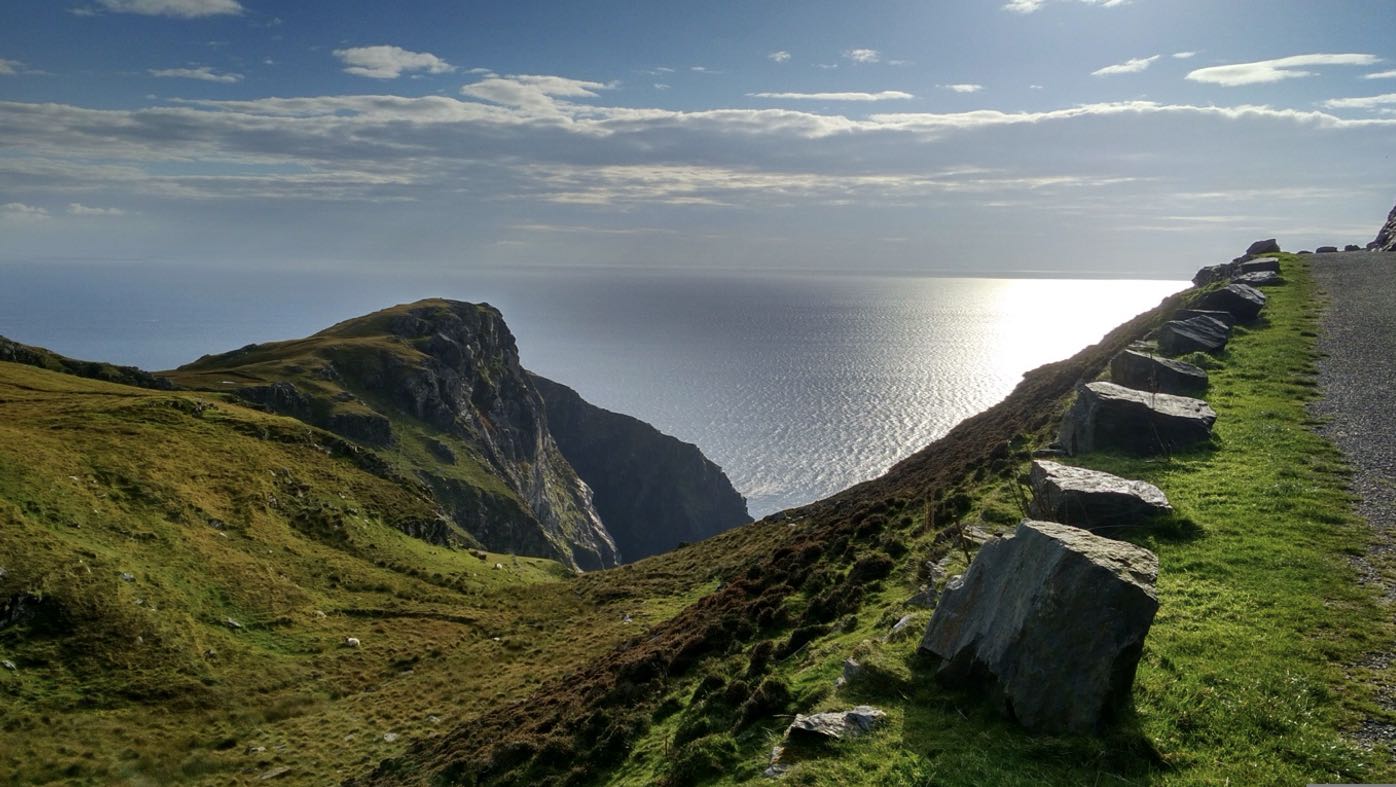
Ireland both embraces and rejects the stereotypes
What is the view of Ireland from the outside world? There is the caricaturized version of Ireland, with all the leprechauns and rainbows and clovers you might see in St Patrick’s Day parades and online slot games. That, of course, is far from the truth in the 21st century, as useful as thinking that all German people wear lederhosen, but it is also true that Ireland – and Irish tourist bodies – don’t mind playing up to the stereotype to sell the country as a global destination.
Indeed, while a handful of cities are cosmopolitan, particularly Dublin, you can wander into postcard-worthy villages from coast to coast. Castles are so ubiquitous that they are arguably taken for granted. Some of the roads in counties like Donegal? Well, you’ll need nerves of steel to travel on them. But again, this is just one side of a country that is both modern and traditional.
As you might expect, all of this means Irish identity can be fragmented. A young, professional working for a software company in Dublin is going to have a different view of Ireland and the wider world compared to an elderly farmer in County Mayo. And if you are talking about the island of Ireland, consider the difference in outlook between a County Antrim unionist (people of the belief that Northern Ireland should remain in the United Kingdom) and someone brought up in the Gaeltacht (Irish-speaking) regions on the west coast.
Of course, you may say that all countries have fragmented identities – a Wall Street banker will be very different from an Iowa farmer – but in Ireland, looking in from the outside, those differences aren’t always identified in the same way. There is a universal tag of Irishness affixed to the island’s residents. The far-right is having success across Europe right now, but, while vocal in online forums, it has had limited success in Ireland, certainly nowhere near mainstream political power. There are many reasons for this, but one of the more compelling ones is the fact that the far right often tends to appeal to a golden age of the past, whereas, at least economically speaking, that does not match up with Ireland’s history.
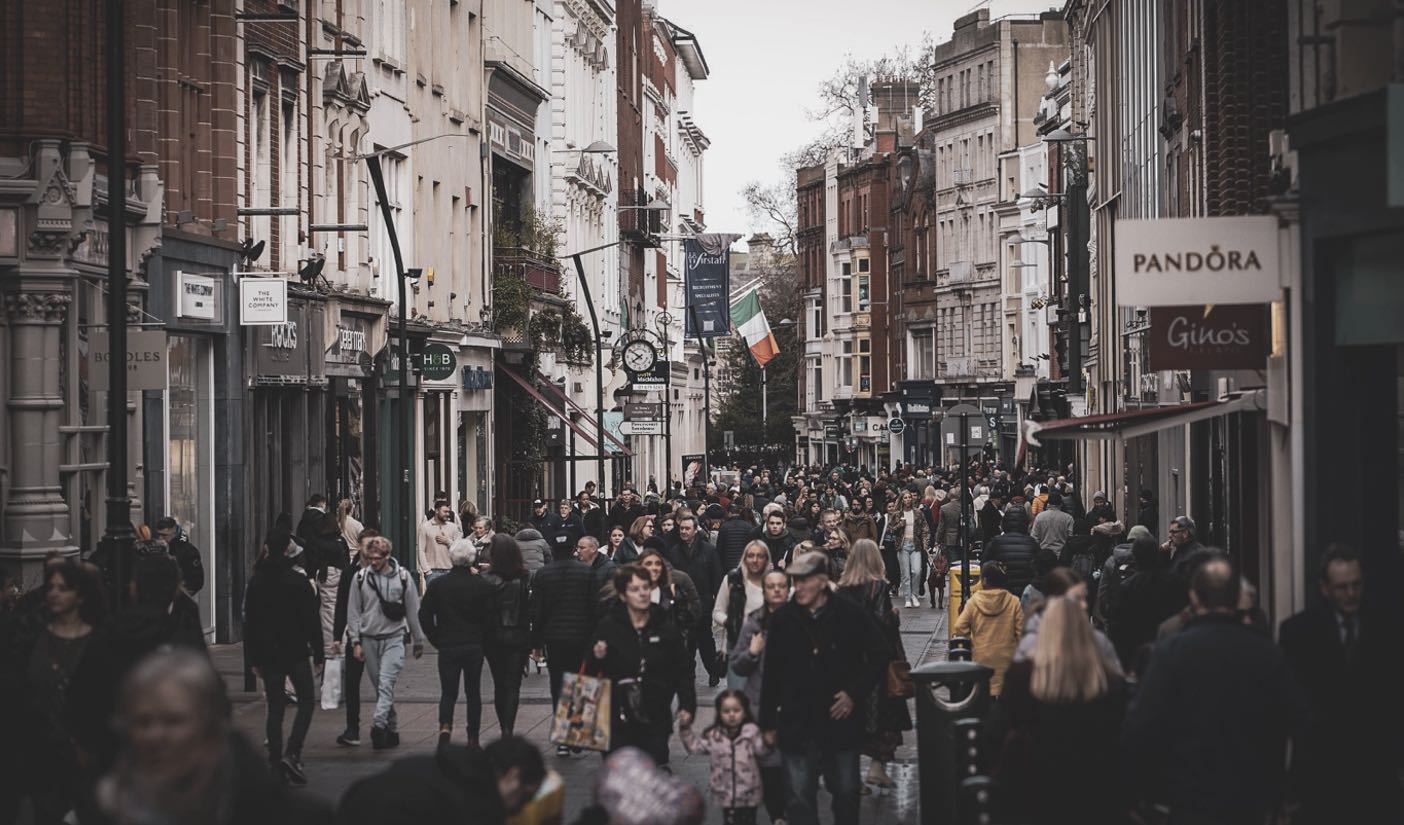
A changing Ireland makes identity difficult to quantify
Perhaps this is why Irish identity is so easily misunderstood in the 21st century. Outsiders may rely on images that are recognizable but incomplete, while Irish people themselves sometimes struggle to reconcile the country they inherited with the country developing around them.
As we keep saying, it is a contradiction. Its wealth is contrasted by financial problems suffered by large swathes of the population. There is, for example, a housing crisis that has been going on for years. Like most European countries, it is facing the challenges of immigration, while simultaneously recognizing that the number of Irish people in the global diaspora is many times over the population at home.
With Ireland, then, it is not always easy. Identity is complex in a country where poverty and oppression built the national identity for ‘most’ people, and then suddenly it became a nation where affluence was more common, albeit with some parts of the population still struggling. A contradiction between its past and present, but also its present and present.