Natural black hair has historically been a U.S. civil rights issue and can be a controversial issue to address.
‘BLACK IS BEAUTIFUL’
According to Chanté Griffin, the “Black is beautiful” movement assured women and men that all their features, including facial features, hair and skin were admirable.
This movement meant more than just supporting the features of black women and men, it was for people to embrace their blackness and fight for their rights. This movement was a start to the acceptance of natural black features that ignited the fight for women to be able to wear their hair naturally in places of work, rather than forcing them to hide something that is a huge part of their identity and race.
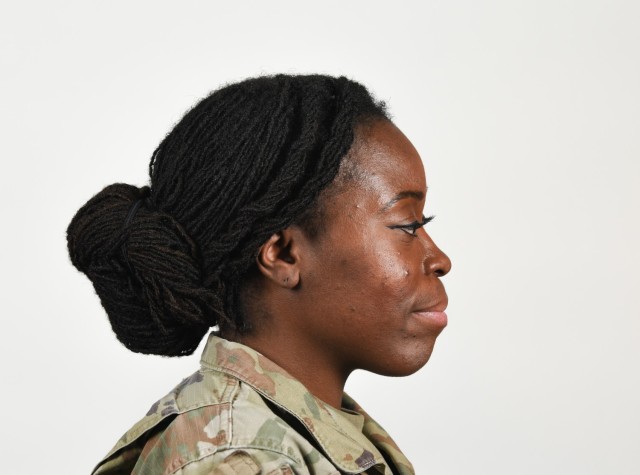
The idea of black women having to change their hair for certain jobs or social situations is still prevalent within our supposedly mobile society. Fashion magazine “Vogue” beautifully highlighted the recent change in the U.S. Army grooming and appearance regulations.
CHANGING THE RULES
Black servicewomen widely celebrated the re-evaluation of these regulations on many social media platforms, stating that in the past their natural hair had been under intense scrutiny, being made to wear wigs or undergo damaging treatments to their natural hair in order to conform to the strict Army regulations.
In the past, multicultural and multiracial women were often expected to change or “tame” their hair. Slow progress is being made in the armed services. For example, the Army and Air Force now allow female soldiers to have braids of increased size as well as twists, which means they no longer have to wear uncomfortable wigs and got through grueling chemical hair treatments. This is a great sign of cultural mobility in the workforce.
Not only does this make it easier for servicewomen to experiment with different hairstyles and make it more comfortable for them, it also sets an example for young girls and women who question the beauty of their natural hair. It’s a starting point to having professional environments change their views of natural black hair and stop the saying, “unkept” hair.
A WELCOME RESPONSIBILITY
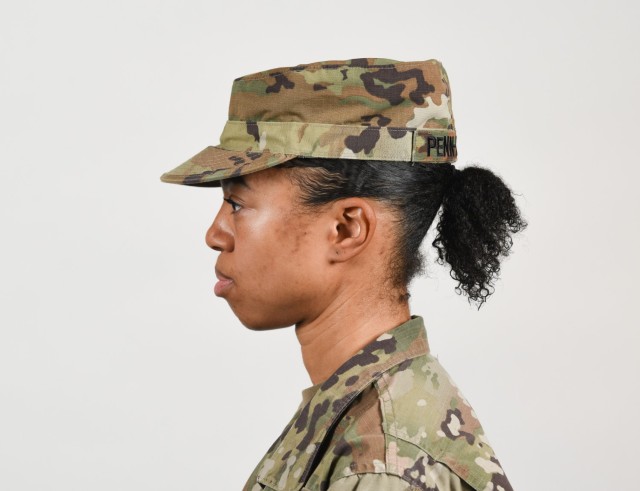
U.S. Army Captain Deshauna Barber, who was the first US Army Woman to be crowned Miss USA, stated:
The new regulations show they did the research; there’s an understanding and appreciation of just how diverse our backgrounds are.
These servicewomen are tremendous examples of resilient and strong women. U.S. Navy Lieutenant j.g. Grade Arabia Littlejohn discussed herself being a role model for other black junior officers when speaking about the way she approached her natural hair, how to style it but also embracing her skin color:
It’s a responsibility that’s on my shoulders, but I’m grateful for it.
The importance of this particular issue in Vogue magazine is to highlight the modernized regulations of the U.S. Army grooming guidelines and what it means for black women to be in uniform with their natural hair.
The servicewomen featured in the “Vogue” article are great role models, not only for other black women in the Army but also for all girls and women who have judgments against them due to their natural features.